
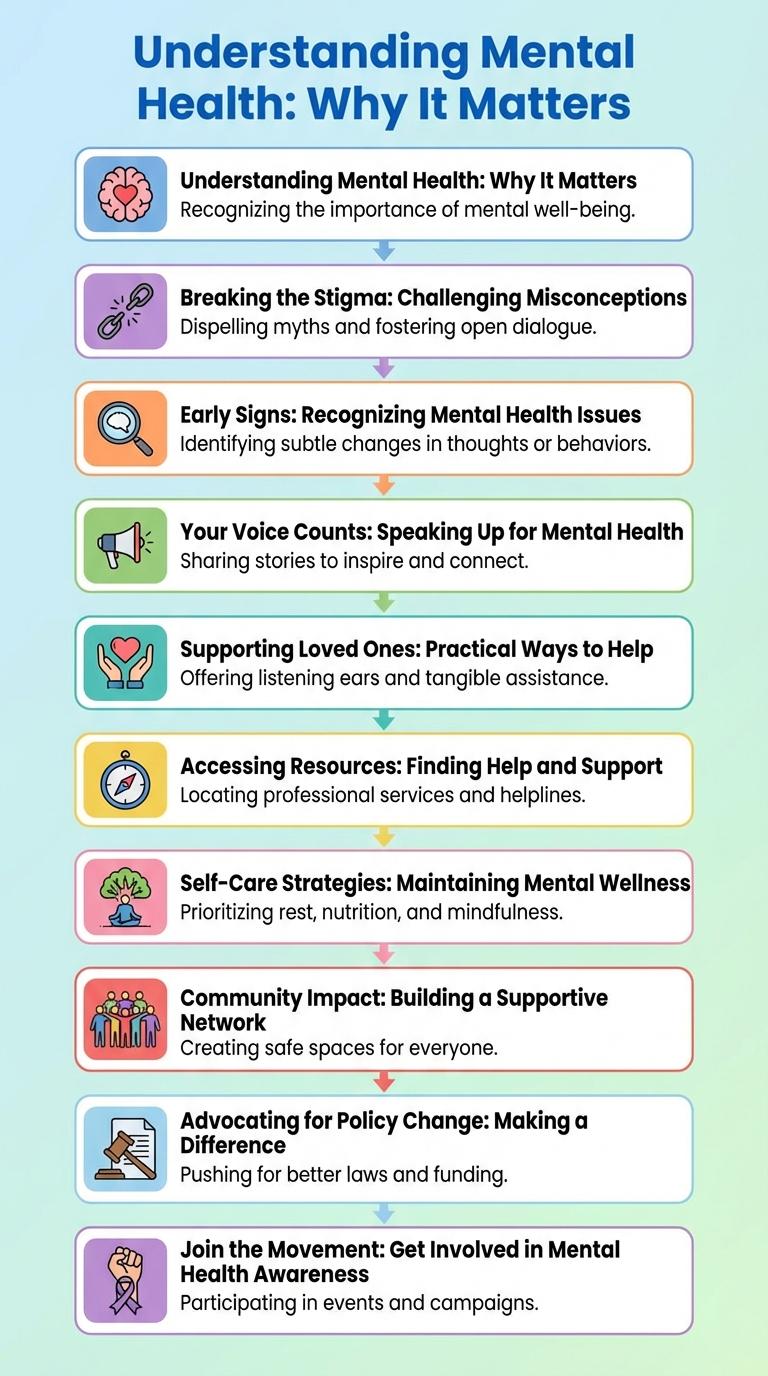
Raising mental health awareness is crucial for fostering understanding and reducing stigma. Infographics provide a powerful visual tool to convey facts, resources, and coping strategies effectively. Clear, engaging designs help audiences grasp key messages quickly and encourage proactive conversations.
Understanding Mental Health: Why It Matters
Mental health encompasses emotional, psychological, and social well-being, influencing how individuals think, feel, and act. Understanding mental health is essential for recognizing the signs of mental illness and promoting overall well-being.
Advocating mental health awareness reduces stigma and encourages open conversations about mental wellness. Awareness supports early intervention, helping individuals access necessary resources and improve their quality of life.
Breaking the Stigma: Challenging Misconceptions
Breaking the stigma surrounding mental health is essential to creating an inclusive society where individuals feel safe seeking support. Misconceptions often perpetuate fear and discrimination, preventing open conversations and access to care. Advocating for awareness educates communities, promotes empathy, and fosters a positive environment for mental wellness.
Early Signs: Recognizing Mental Health Issues
Recognizing early signs of mental health issues is crucial for timely intervention and support. Common indicators include changes in mood, behavior, and daily functioning that persist over time.
Early warning signs may involve persistent feelings of sadness, withdrawal from social activities, and noticeable changes in sleep or appetite. Identifying these symptoms allows individuals and caregivers to seek professional help promptly. Raising awareness about these signs promotes mental well-being and reduces stigma.
Your Voice Counts: Speaking Up for Mental Health
Advocating mental health awareness empowers individuals to break the stigma and encourage open conversations about mental well-being. Your voice counts in creating supportive environments where mental health is prioritized and respected. Speaking up fosters understanding, promotes early intervention, and helps build a compassionate community.
Supporting Loved Ones: Practical Ways to Help
Supporting loved ones with mental health challenges requires empathy, understanding, and practical actions. Effective help fosters a safe environment where open communication and trust can thrive.
- Listen Actively - Give full attention and validate feelings without judgment to encourage open sharing.
- Encourage Professional Help - Suggest seeking therapy or counseling to access expert support and treatment.
- Offer Consistent Support - Maintain regular check-ins and show patience to build a reliable support system.
Accessing Resources: Finding Help and Support
Accessing mental health resources is crucial for effective support and recovery. Knowing where and how to find help empowers individuals to improve their well-being.
- Professional Services - Licensed therapists and counselors provide expert guidance and treatment options for various mental health conditions.
- Community Support - Local support groups and non-profit organizations offer peer support and valuable resources.
- Online Platforms - Digital mental health apps and websites give convenient access to information, self-help tools, and virtual counseling.
Recognizing and utilizing available resources helps break the stigma and promotes a healthier society.
Self-Care Strategies: Maintaining Mental Wellness
| Self-Care Strategy | Benefits for Mental Wellness |
|---|---|
| Regular Physical Activity | Reduces stress hormones, improves mood, and boosts overall brain health |
| Mindfulness and Meditation | Enhances emotional regulation, decreases anxiety, and promotes relaxation |
| Consistent Sleep Schedule | Supports cognitive function, stabilizes mood, and prevents fatigue |
| Healthy Nutrition | Provides essential nutrients for neurotransmitter balance and energy |
| Social Support Networks | Encourages positive interactions, reduces feelings of isolation, and fosters belonging |
Community Impact: Building a Supportive Network
Raising mental health awareness strengthens community ties and fosters a culture of empathy and understanding. Building a supportive network enhances resilience and provides critical resources for those affected by mental health challenges.
- Reduces stigma - Open conversations about mental health encourage acceptance and decrease social isolation.
- Encourages early intervention - Community support prompts timely access to mental health services, improving outcomes.
- Enhances resource sharing - Networks connect individuals to professional help, support groups, and educational materials.
Advocating for Policy Change: Making a Difference
How can advocating for policy change improve mental health awareness? Policy change plays a crucial role in ensuring better mental health services and reducing stigma. Advocacy efforts aim to influence lawmakers to create comprehensive mental health laws and funding.
What key policies support mental health awareness? Effective policies include mental health parity laws, increased funding for mental health programs, and workplace mental health regulations. These policies contribute to accessible care and public education.
Who benefits from mental health policy reforms? Individuals with mental health conditions receive improved access to treatment and support. Communities experience reduced stigma and greater awareness through public initiatives supported by policy.
How can individuals participate in advocating for mental health policy? People can engage by contacting local representatives, joining advocacy groups, and participating in awareness campaigns. Collective action creates pressure for legislative changes that prioritize mental health.
What impact do mental health policy changes have on society? Policy reforms lead to enhanced mental health infrastructure and increased resources. Societal benefits include improved quality of life, lower healthcare costs, and a more supportive environment for mental wellness.