
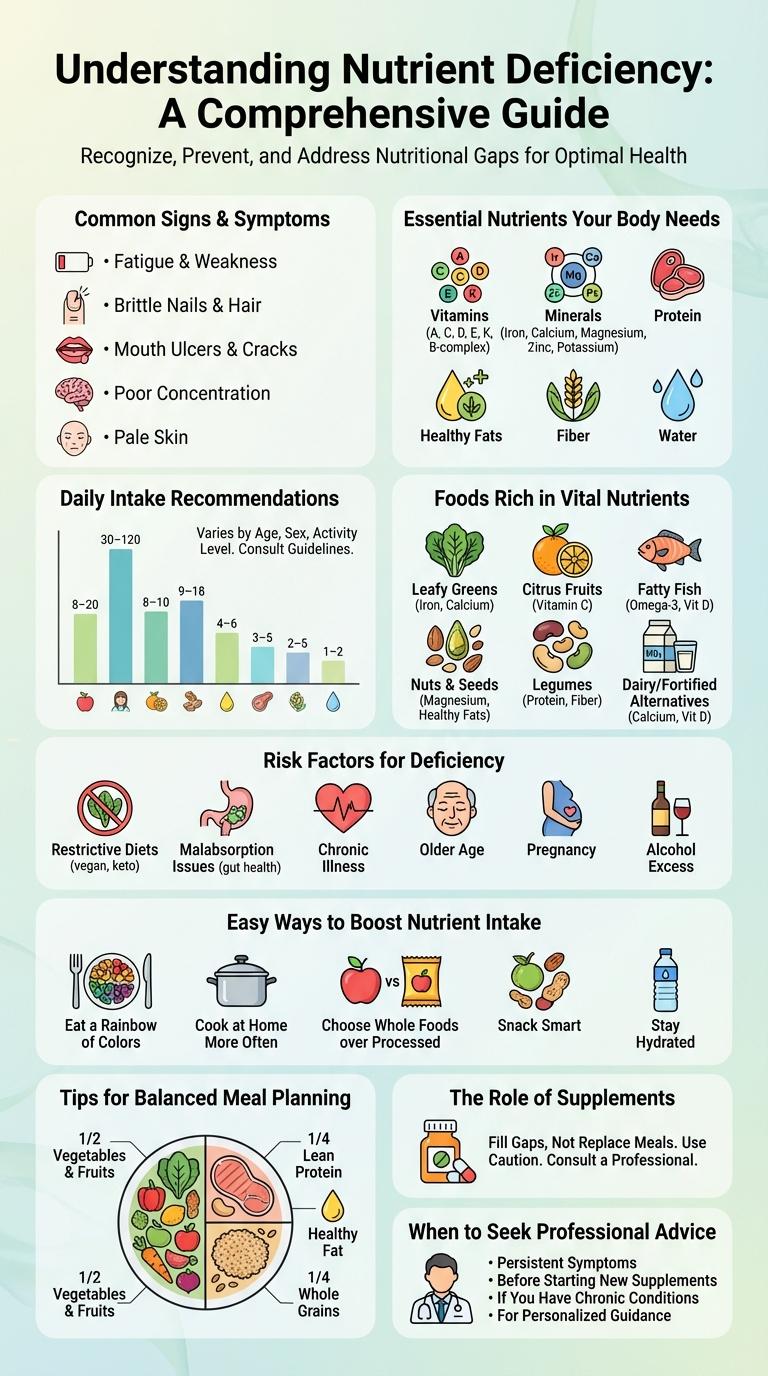
Understanding nutrient deficiency prevention is essential for maintaining overall health and well-being. Key strategies include consuming a balanced diet rich in vitamins and minerals, recognizing early signs of deficiencies, and incorporating supplements when necessary. Proper nutrition supports immune function, enhances energy levels, and prevents chronic diseases.
Understanding Nutrient Deficiency
Nutrient deficiency occurs when the body lacks essential vitamins and minerals needed for optimal function. Common deficiencies include iron, vitamin D, and vitamin B12, impacting energy, bone health, and neurological function.
Understanding nutrient deficiency involves recognizing symptoms such as fatigue, weakness, and impaired immunity. Early detection and balanced nutrition are key to preventing long-term health issues linked to these deficiencies.
Common Signs & Symptoms
Nutrient deficiency prevention is essential for maintaining overall health and avoiding chronic diseases. Common signs and symptoms include fatigue, brittle nails, and frequent infections. Early recognition of these indicators enables timely dietary adjustments and supplementation.
Essential Nutrients Your Body Needs
Preventing nutrient deficiencies is vital for maintaining overall health and supporting bodily functions. Essential nutrients must be consumed through a balanced diet to avoid health complications.
- Vitamin D - Supports bone health and immune function by aiding calcium absorption.
- Iron - Crucial for oxygen transport in the blood and energy production.
- Vitamin B12 - Necessary for nerve function and red blood cell formation.
- Calcium - Strengthens bones and teeth while supporting muscle function.
- Magnesium - Involved in over 300 enzymatic reactions including muscle and nerve function.
Daily Intake Recommendations
Daily intake recommendations play a crucial role in preventing nutrient deficiencies and maintaining overall health. Consuming the right amounts of vitamins and minerals supports vital bodily functions and reduces the risk of chronic diseases.
Essential nutrients such as vitamin D, calcium, iron, and vitamin C have specific daily intake levels established by health authorities like the WHO and USDA. Meeting these recommended amounts through a balanced diet helps ensure immune system strength, bone health, and energy production. Monitoring intake through infographics can simplify understanding and encourage healthier food choices consistently.
Foods Rich in Vital Nutrients
Preventing nutrient deficiencies requires a diet rich in essential vitamins and minerals. Consuming a variety of nutrient-dense foods supports overall health and vitality.
- Dark Leafy Greens - Spinach and kale provide abundant iron, calcium, and vitamins A, C, and K.
- Lean Proteins - Chicken, fish, and legumes offer high-quality protein and important minerals like zinc and iron.
- Fruits and Berries - Oranges, strawberries, and blueberries supply vitamin C and antioxidants that boost immune function.
Risk Factors for Deficiency
Nutrient deficiencies can significantly impact overall health and wellbeing. Identifying key risk factors helps prevent inadequate nutrient intake and supports proper nutrition management.
- Poor Dietary Intake - Limited consumption of nutrient-rich foods can cause imbalances and deficiencies in essential vitamins and minerals.
- Malabsorption Disorders - Conditions such as celiac disease or Crohn's disease impair the body's ability to absorb nutrients effectively.
- Increased Nutrient Requirements - Life stages like pregnancy, growth spurts, and aging increase the demand for specific nutrients.
Understanding these risk factors aids in developing targeted strategies to prevent nutrient deficiencies.
Easy Ways to Boost Nutrient Intake
Boosting nutrient intake is essential for preventing deficiencies and maintaining overall health. Incorporate a variety of colorful fruits and vegetables to ensure a broad spectrum of vitamins and minerals. Include whole grains, lean proteins, and nuts in daily meals for balanced nutrition and improved nutrient absorption.
Tips for Balanced Meal Planning
| Tip | Description |
|---|---|
| Include Diverse Food Groups | Ensure meals incorporate fruits, vegetables, grains, proteins, and dairy to cover all essential nutrients. |
| Prioritize Whole Foods | Choose unprocessed foods rich in vitamins, minerals, and fiber to improve nutrient density. |
| Focus on Micronutrient-Rich Choices | Incorporate foods high in iron, calcium, vitamin D, and B-complex vitamins to prevent common deficiencies. |
| Balance Macronutrients | Distribute carbohydrates, proteins, and healthy fats evenly for sustained energy and proper body function. |
| Plan Portion Sizes | Control serving sizes to avoid nutrient gaps or excess calorie intake, aiding in nutrient absorption and overall health. |
The Role of Supplements
How do supplements contribute to nutrient deficiency prevention?
Supplements provide essential vitamins and minerals that may be lacking in the diet. They help maintain optimal nutrient levels to support overall health and prevent deficiency-related conditions.