
Eventration is a medical condition characterized by the abnormal elevation of the diaphragm, often due to muscle weakness or nerve damage, which can impair respiratory function. Treatment options vary depending on severity and may include surgical repair to restore diaphragm integrity or conservative management to alleviate symptoms. Understanding the causes, symptoms, and available therapies is essential for effective diagnosis and care.
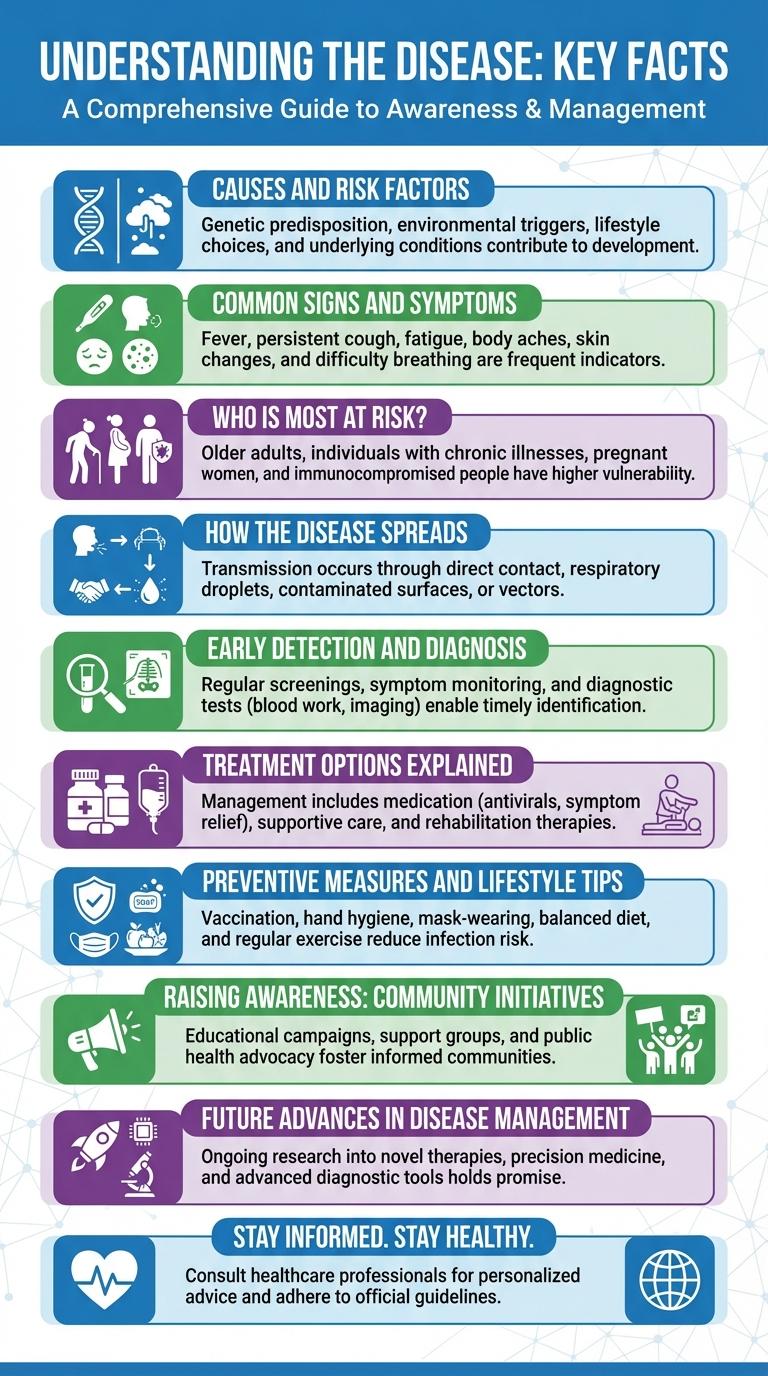
Understanding the Disease: Key Facts
Eventation refers to the protrusion of abdominal organs through a weakened area in the abdominal wall, often occurring after surgery or trauma. This condition compromises organ positioning and may lead to complications if untreated.
- Causes - Eventation typically results from incomplete healing or dehiscence following abdominal surgery or injury.
- Symptoms - Common signs include visible bulging on the abdominal surface and discomfort in the affected area.
- Risk Factors - Factors such as obesity, infection, and poor nutrition increase the likelihood of developing eventation.
Treatment options focus on surgical repair to restore abdominal wall integrity and prevent further organ displacement.
Causes and Risk Factors
Eventration is a condition where abdominal organs protrude through a weakened area of the abdominal wall, often due to incomplete muscle development or surgical complications. This abnormal protrusion can lead to discomfort and impaired organ function.
Major causes include congenital defects, trauma, and postoperative complications, particularly following abdominal surgeries. Risk factors encompass obesity, advanced age, chronic coughing, and poor wound healing, all contributing to weakened abdominal muscles.
Common Signs and Symptoms
Eventation is a condition characterized by the abnormal protrusion of abdominal organs through a weakened area in the abdominal wall. Recognizing its symptoms early aids in timely medical intervention and treatment planning.
Common signs and symptoms of eventation often indicate the severity and progression of the condition.
- Visible bulge - A noticeable swelling or bulge on the abdominal wall, especially when coughing or straining, signals eventation.
- Localized pain - Patients frequently experience discomfort or pain at the site of the protrusion.
- Digestive disturbances - Symptoms such as nausea, constipation, or bloating may occur due to pressure on abdominal organs.
Who Is Most at Risk?
Eventration is a condition characterized by the abnormal elevation of the abdominal wall, often caused by muscle weakness or nerve damage. It commonly occurs after surgical procedures or trauma.
Individuals most at risk include elderly adults, patients with chronic respiratory conditions, and those who have undergone previous abdominal surgeries. Obesity and smoking also increase susceptibility by weakening abdominal muscles and impairing healing. Early identification and targeted treatment are crucial to prevent complications such as hernias or respiratory distress.
How the Disease Spreads
Eventration is a condition characterized by the protrusion of abdominal organs through a weakened area in the diaphragm. It is not contagious and does not spread from person to person. The primary causes are congenital defects or trauma leading to diaphragmatic weakness.
Early Detection and Diagnosis
Eventation is a condition where abdominal contents protrude through a weakened area of the abdominal wall, often following surgery or trauma. Early detection and diagnosis are crucial for effective treatment and preventing complications.
- Importance of Early Imaging - Ultrasound and CT scans provide precise assessment of the herniated tissues and defect size.
- Symptom Recognition - Identifying bulging or discomfort promptly aids in early medical intervention.
- Clinical Examination - Palpation and observation by a healthcare professional confirm the presence and extent of eventation.
Treatment Options Explained
What are the main treatment options for eventration? Treatment for eventration varies depending on severity, ranging from conservative management to surgical repair. Non-surgical approaches include observation and respiratory support, while surgery involves diaphragm reinforcement or repositioning to restore normal function.
Preventive Measures and Lifestyle Tips
| Preventive Measures | Lifestyle Tips |
|---|---|
| Maintain a healthy weight to reduce abdominal pressure. | Engage in regular, moderate exercise to strengthen abdominal muscles. |
| Avoid heavy lifting or use proper techniques to prevent strain. | Follow a balanced diet rich in fiber to prevent constipation and straining. |
| Quit smoking to improve tissue healing and reduce coughing. | Wear supportive garments if advised by a healthcare professional. |
| Manage chronic coughs and respiratory conditions promptly. | Practice good posture to minimize intra-abdominal pressure. |
| Avoid activities that exacerbate abdominal pressure or discomfort. | Keep regular medical checkups for early detection and management. |
Raising Awareness: Community Initiatives
Eventration is a condition characterized by the abnormal protrusion of abdominal organs through a weakened area of the diaphragm. Community initiatives focused on raising awareness aim to educate the public about symptoms, risk factors, and the importance of early diagnosis. These programs often include informational workshops, distribution of educational materials, and support groups to promote timely treatment and improve patient outcomes.