
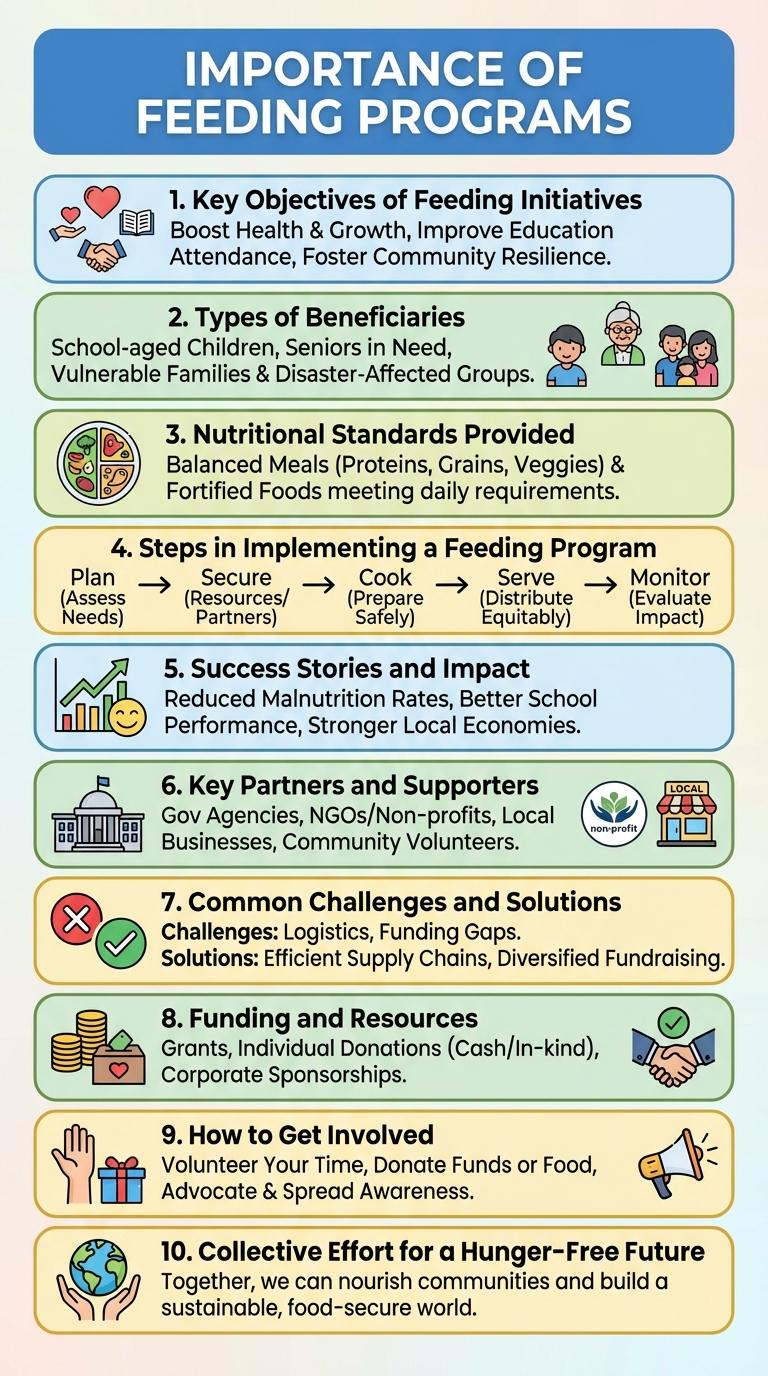
Feeding programs play a vital role in addressing hunger and malnutrition by providing nutritious meals to vulnerable populations. Infographics effectively visualize key statistics, benefits, and operational insights of these initiatives. Clear, engaging graphics enhance understanding and support advocacy efforts for expanding feeding programs worldwide.
Importance of Feeding Programs
Why are feeding programs essential for communities? Feeding programs combat hunger and improve nutrition among vulnerable populations. They support healthy development and enhance learning capabilities in children.
How do feeding programs impact public health? By providing consistent access to nutritious meals, feeding programs reduce malnutrition and prevent diet-related diseases. These initiatives also promote better immune system responses and reduce healthcare costs.
What role do feeding programs play in education? Proper nutrition from feeding programs boosts cognitive function and concentration, leading to higher academic performance. Schools implementing these programs experience reduced absenteeism and increased student engagement.
Who benefits the most from feeding programs? Children, pregnant women, elderly individuals, and low-income families gain the most from structured feeding initiatives. These populations often face food insecurity and rely heavily on program support for balanced diets.
How do feeding programs support community development? Feeding programs foster social inclusion and strengthen community bonds by addressing nutritional needs collectively. They also contribute to local economies by sourcing food from nearby producers and creating job opportunities.
Key Objectives of Feeding Initiatives
Feeding programs aim to combat malnutrition and improve the overall health of vulnerable populations. These initiatives focus on providing consistent access to nutritious meals, especially for children and low-income families.
Key objectives include promoting food security and supporting cognitive and physical development through balanced diets. Programs also seek to reduce hunger-related illnesses and enhance community well-being by fostering sustainable feeding solutions.
Types of Beneficiaries
Feeding programs serve diverse groups to ensure nutritional support reaches those in need. Identifying beneficiary types helps tailor resources effectively for maximum impact.
- Children - Focuses on providing balanced meals to support growth and development in school-aged kids.
- Pregnant and Nursing Mothers - Offers enhanced nutrition to promote maternal and infant health during critical periods.
- Elderly - Ensures seniors receive adequate nutrients to improve health and reduce food insecurity.
Nutritional Standards Provided
The feeding program ensures optimal health by adhering to established nutritional standards. It delivers balanced meals designed to meet the dietary needs of diverse populations.
- Caloric Intake Standards - Each meal provides the recommended daily caloric intake for age and activity level according to international guidelines.
- Micronutrient Balance - Meals are fortified with essential vitamins and minerals to prevent deficiencies and promote overall wellness.
- Macronutrient Proportions - Proper ratios of proteins, carbohydrates, and fats support energy, growth, and cognitive function.
Consistent monitoring and evaluation maintain compliance with nutritional standards throughout the program.
Steps in Implementing a Feeding Program
Implementing a feeding program begins with a comprehensive needs assessment to identify target populations and resource availability. Next, designing a tailored nutrition plan ensures balanced meals that meet dietary requirements while considering cultural preferences. Finally, effective monitoring and evaluation track progress, ensuring program sustainability and continuous improvement.
Success Stories and Impact
The feeding program has transformed the lives of over 10,000 children by providing daily nutritious meals in underserved communities. Success stories highlight improved health, increased school attendance, and enhanced academic performance among participants.
One remarkable impact includes a 40% reduction in childhood malnutrition rates within program areas. Families report stronger immune systems and greater overall well-being, emphasizing the program's lasting benefits on community health.
Key Partners and Supporters
Feeding programs rely on a network of key partners and supporters to ensure sustainable food distribution and nutrition outreach. Collaboration between local organizations, governments, and donors is essential for effective program implementation.
- Local NGOs - Facilitate community engagement and manage food distribution logistics.
- Government Agencies - Provide funding, regulatory support, and infrastructure access.
- Corporate Sponsors - Offer financial aid, food donations, and resources for awareness campaigns.
Common Challenges and Solutions
| Common Challenges | Effective Solutions |
|---|---|
| Limited Funding | Diversify funding sources through grants, donations, and partnerships |
| Food Supply Inconsistencies | Establish relationships with local farmers and food banks for steady supply |
| Logistical Constraints | Implement efficient transportation scheduling and use volunteer networks |
| Lack of Community Engagement | Conduct outreach programs and involve community leaders to increase participation |
| Health and Safety Regulations | Train staff on food handling and compliance with local health standards |
Funding and Resources
Funding and resources are essential for the success of any feeding program. They ensure consistent supply and efficient distribution of nutritious meals to those in need.
Securing reliable funding sources such as government grants, private donations, and corporate sponsorships is crucial. Proper allocation of resources includes procurement of food, transportation, and storage facilities. Regular monitoring and transparent reporting help maintain trust and sustainability of the feeding program.