
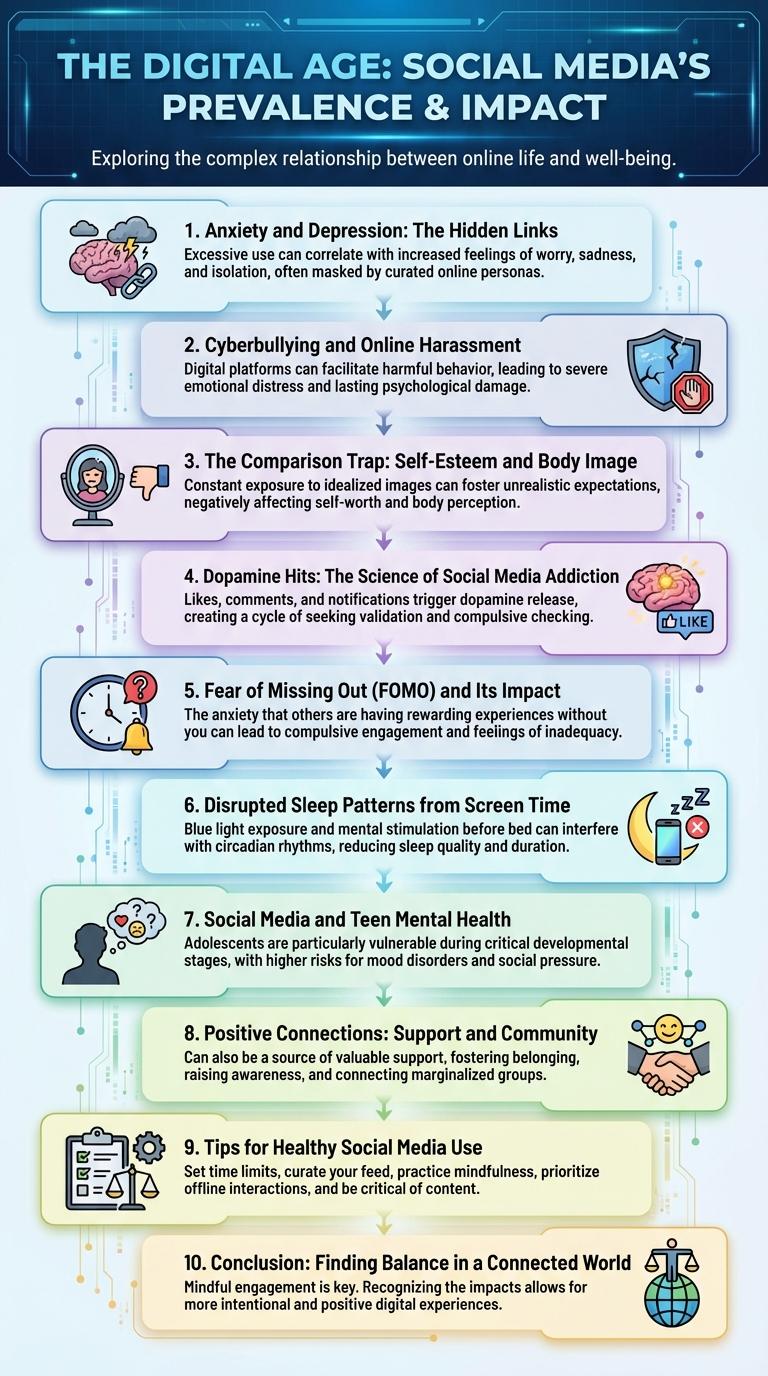
Social media profoundly influences mental health by shaping self-esteem, anxiety levels, and overall well-being. Excessive use can lead to increased feelings of loneliness, depression, and stress due to constant comparison and unrealistic expectations. Understanding these impacts helps individuals develop healthier digital habits and promotes mental wellness in the digital age.
The Digital Age: Social Media's Prevalence
Social media platforms dominate daily life, with over 4.7 billion users worldwide as of 2024. This widespread usage shapes how individuals connect, share, and consume information.
Constant exposure to curated content can impact self-esteem and emotional well-being. The digital age amplifies both positive interactions and mental health challenges linked to social media.
Anxiety and Depression: The Hidden Links
Social media use has been closely examined for its impact on mental health, revealing significant connections to anxiety and depression. Understanding these hidden links helps in addressing mental well-being effectively.
Excessive social media consumption can trigger feelings of anxiety by fostering constant comparison and fear of missing out (FOMO).
- Increased Anxiety Levels - Frequent exposure to curated and idealized images on social platforms heightens stress and worry among users.
- Depressive Symptoms - Persistent negative interactions and cyberbullying on social media contribute to feelings of sadness and hopelessness.
- Sleep Disruption - Excessive nighttime social media engagement negatively affects sleep quality, exacerbating anxiety and depression symptoms.
Cyberbullying and Online Harassment
How does cyberbullying on social media impact mental health?
Cyberbullying causes increased anxiety and depression among victims. Persistent harassment online can lead to low self-esteem and feelings of isolation.
What are common forms of online harassment on social media?
Examples include threatening messages, spreading false rumors, and targeted shaming. These actions often result in emotional distress and trauma.
Who is most vulnerable to cyberbullying on social media?
Younger users, especially teenagers, face the highest risk of online harassment. Vulnerable groups may experience more severe psychological effects.
What mental health disorders are linked to online harassment?
Victims frequently report symptoms of depression, anxiety, and in extreme cases, PTSD. Continuous exposure to negative interactions exacerbates these conditions.
How can social media platforms reduce cyberbullying?
Implementing stronger content moderation and reporting tools helps protect users. Educational campaigns on respectful online behavior can also decrease harassment rates.
The Comparison Trap: Self-Esteem and Body Image
| Aspect | Impact on Mental Health |
|---|---|
| The Comparison Trap | Constant exposure to idealized images prompts unhealthy self-comparisons, leading to lowered self-worth and negative body image. |
| Self-Esteem | Frequent negative comparisons decrease confidence and promote feelings of inadequacy and anxiety. |
| Body Image | Viewing unrealistic beauty standards on social media contributes to body dissatisfaction and disordered eating behaviors. |
| Psychological Effects | Prolonged engagement with curated content increases risks of depression, stress, and social withdrawal. |
| Mitigation Strategies | Encouraging media literacy, promoting diverse representations, and limiting screen time improve mental resilience. |
Dopamine Hits: The Science of Social Media Addiction
Social media platforms trigger dopamine release, the brain's reward chemical, causing users to seek continuous engagement. These dopamine hits reinforce addictive behaviors, making it difficult to disconnect.
Frequent notifications and likes stimulate the brain's pleasure centers, creating a cycle of craving and reward. This cycle can lead to increased anxiety, depression, and lowered self-esteem over time. Understanding this mechanism is crucial for managing healthier online habits and mental well-being.
Fear of Missing Out (FOMO) and Its Impact
Social media platforms often amplify Fear of Missing Out (FOMO), triggering anxiety and stress in users. This psychological phenomenon can negatively impact mental health by creating persistent feelings of exclusion and inadequacy.
- Increased Anxiety - Constant exposure to social events creates pressure to stay connected and fear being left out.
- Reduced Self-Esteem - Comparing real lives to curated online experiences leads to feelings of inadequacy.
- Sleep Disruption - Excessive social media use linked to FOMO can interfere with healthy sleep patterns.
Addressing FOMO requires mindful social media use and focusing on real-life connections to maintain mental well-being.
Disrupted Sleep Patterns from Screen Time
Excessive screen time on social media disrupts natural sleep patterns by suppressing melatonin production. Exposure to blue light from devices delays the onset of deep sleep, reducing overall sleep quality. Poor sleep contributes to increased stress, anxiety, and decreased cognitive function in users.
Social Media and Teen Mental Health
Social media significantly influences teen mental health by shaping self-esteem and social interactions. Excessive use can lead to increased anxiety, depression, and feelings of loneliness among teenagers.
Positive engagement on social platforms can foster community and support, enhancing emotional well-being. Awareness and mindful usage are crucial to minimizing negative mental health impacts on teens in the digital age.
Positive Connections: Support and Community
Social media fosters positive connections by creating supportive online communities where individuals can share experiences and find encouragement. These platforms enable users to connect with others who have similar challenges, reducing feelings of isolation and promoting mental well-being. Engaging with empathetic networks helps build resilience and provides access to valuable resources for mental health support.