
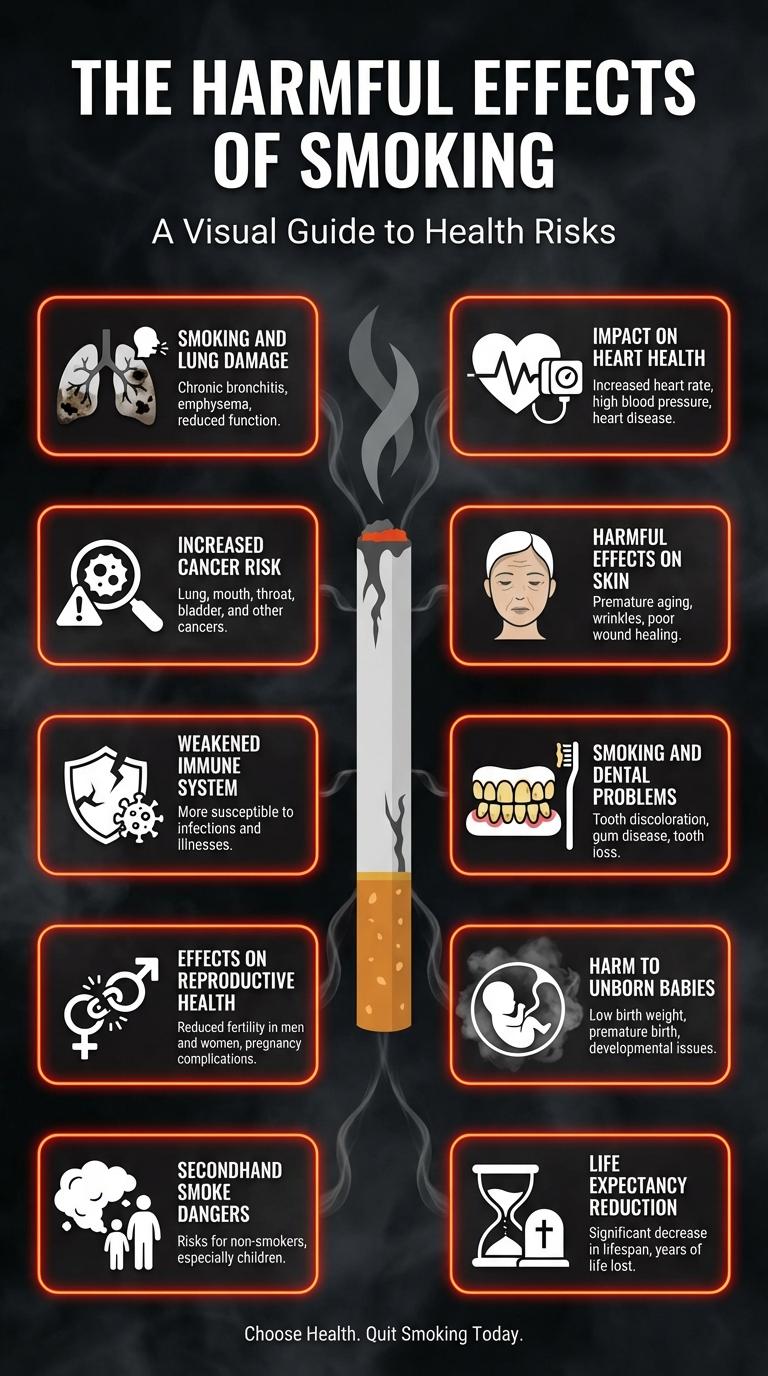
Smoking significantly damages respiratory health, increasing the risk of chronic diseases such as lung cancer and emphysema. Toxic chemicals in cigarette smoke impair lung function and reduce oxygen flow throughout the body. Understanding these effects highlights the critical need for smoking cessation to improve overall well-being.
Smoking and Lung Damage
Smoking is a leading cause of lung damage, introducing harmful chemicals that impair lung function. These toxins damage the airways and the small air sacs (alveoli), reducing the lungs' ability to absorb oxygen.
Prolonged smoking causes chronic obstructive pulmonary disease (COPD) and increases the risk of lung infections. It also significantly elevates the likelihood of developing lung cancer, making it the primary risk factor for this deadly disease.
Impact on Heart Health
Smoking significantly increases the risk of coronary heart disease by damaging the lining of blood vessels and accelerating the buildup of plaque. The chemicals in tobacco smoke cause blood vessels to constrict, raising blood pressure and forcing the heart to work harder. Long-term smoking can lead to heart attacks, arrhythmias, and reduced overall cardiovascular function.
Increased Cancer Risk
Smoking significantly elevates the risk of developing various types of cancer. The harmful chemicals in tobacco damage DNA and promote uncontrolled cell growth.
- Lung Cancer - Smoking causes approximately 85% of lung cancer cases worldwide, making it the leading risk factor.
- Oral and Throat Cancer - Tobacco use increases the incidence of cancers in the mouth, pharynx, and larynx due to direct exposure to carcinogens.
- Other Cancers - Smoking is linked to cancers of the esophagus, bladder, pancreas, kidney, and cervix through systemic distribution of toxins.
Harmful Effects on Skin
Smoking significantly accelerates skin aging by reducing collagen production, leading to wrinkles and sagging. It also diminishes blood flow, depriving skin cells of oxygen and essential nutrients.
The toxins in cigarette smoke cause oxidative stress, damaging skin cells and impairing the body's ability to repair skin. This results in a dull complexion, uneven skin tone, and increased risk of skin infections and slower wound healing.
Weakened Immune System
Smoking significantly impairs the body's immune system, making it harder to fight off infections. This weakened immunity increases the risk of illness and delays recovery from diseases.
The chemicals in cigarette smoke damage white blood cells, which are crucial for immune defense. Reduced immune function from smoking leads to higher susceptibility to respiratory infections and autoimmune disorders.
- Impaired White Blood Cell Function - Exposure to toxins in smoke diminishes the activity of white blood cells, weakening immune response.
- Increased Infection Risk - Smokers have a higher likelihood of contracting infections such as pneumonia and influenza.
- Delayed Healing - Smoking slows down the body's ability to repair tissue and recover from illness.
Smoking and Dental Problems
How does smoking impact dental health? Smoking significantly increases the risk of developing gum disease, tooth decay, and oral infections. It also causes discoloration of teeth and contributes to bad breath and delayed healing after dental procedures.
Effects on Reproductive Health
| Effect on Reproductive Health | Description |
|---|---|
| Reduced Fertility | Smoking decreases sperm count and motility in men and disrupts ovulation in women, lowering chances of conception. |
| Increased Risk of Miscarriage | Women who smoke have a higher likelihood of miscarriage due to impaired uterine environment and hormonal imbalance. |
| Birth Defects | Chemicals in tobacco increase the risk of congenital anomalies such as cleft lip, heart defects, and low birth weight in infants. |
| Early Menopause | Smoking accelerates ovarian aging, causing premature menopause and decreased reproductive lifespan in women. |
| Reduced Sperm Quality | Exposure to toxins from cigarettes leads to DNA damage in sperm, affecting embryo development and increasing infertility risks. |
Harm to Unborn Babies
Smoking during pregnancy exposes unborn babies to harmful chemicals that can impair fetal development. This exposure increases the risk of low birth weight, premature birth, and sudden infant death syndrome (SIDS). These health complications can have long-lasting effects on a child's growth and cognitive abilities.
Secondhand Smoke Dangers
Secondhand smoke contains over 7,000 chemicals, many of which are toxic and can cause cancer. It poses serious health risks to non-smokers, especially children and pregnant women.
Exposure to secondhand smoke increases the risk of lung cancer, heart disease, and respiratory infections. Children exposed to secondhand smoke are more likely to develop asthma, ear infections, and sudden infant death syndrome (SIDS). Avoiding environments with cigarette smoke is essential to protect your family's health.