
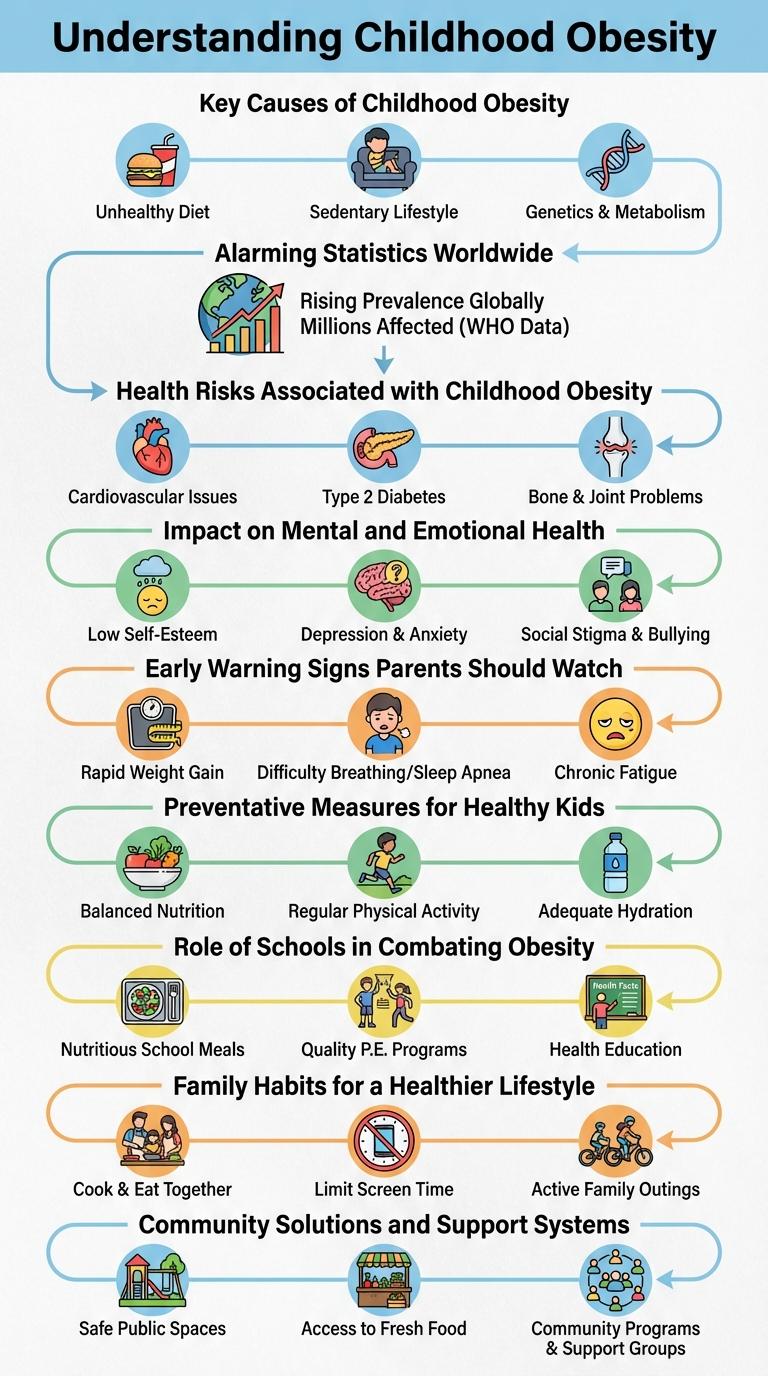
Childhood obesity has become a critical public health concern, affecting millions of children worldwide. This infographic highlights key statistics, risk factors, and preventive measures to raise awareness and promote healthier lifestyles. Understanding these elements is essential for parents, educators, and policymakers aiming to combat this growing epidemic.
Understanding Childhood Obesity
Childhood obesity is a serious medical condition affecting children and adolescents. It occurs when excess body fat negatively impacts a child's health or well-being.
- Prevalence - Approximately 19.7% of children aged 2 to 19 in the United States are affected by obesity, according to the CDC.
- Causes - Factors include poor diet, physical inactivity, genetics, and environmental influences.
- Health Risks - Obesity in childhood increases the risk of type 2 diabetes, cardiovascular diseases, and psychological problems.
Early intervention and lifestyle changes are crucial to managing and preventing childhood obesity effectively.
Key Causes of Childhood Obesity
Childhood obesity is primarily driven by poor dietary habits, including excessive consumption of sugary drinks and high-calorie snacks. Sedentary lifestyles, marked by reduced physical activity and increased screen time, significantly contribute to weight gain in children. Genetic factors and family history also play a role in predisposing children to obesity, alongside environmental influences such as lack of access to healthy foods and safe recreational spaces.
Alarming Statistics Worldwide
Childhood obesity is a growing global health crisis affecting millions of children. Its prevalence has significantly increased over the past three decades, causing concern among health professionals worldwide.
- Over 340 million - Children and adolescents aged 5-19 were overweight or obese in 2016 according to WHO.
- Rapid increase - Cases of childhood obesity have risen tenfold in some countries since the 1970s.
- Health risks - Obese children face higher risks of diabetes, cardiovascular diseases, and psychological issues early in life.
Health Risks Associated with Childhood Obesity
Childhood obesity significantly increases the risk of several serious health conditions. Early intervention is crucial to prevent long-term complications linked to excessive weight in children.
Health risks associated with childhood obesity affect both physical and mental well-being, with lasting consequences into adulthood.
- Type 2 Diabetes - Excess weight causes insulin resistance, leading to elevated blood sugar levels and increased diabetes risk.
- Cardiovascular Disease - High cholesterol and blood pressure from obesity strain the heart, raising the likelihood of heart disease.
- Respiratory Problems - Obesity contributes to asthma and obstructive sleep apnea, affecting breathing and sleep quality.
Impact on Mental and Emotional Health
How does childhood obesity affect mental and emotional health?
Childhood obesity significantly increases the risk of developing low self-esteem and anxiety disorders. Children with obesity often face social stigma, which can lead to depression and emotional distress.
Early Warning Signs Parents Should Watch
Childhood obesity is a growing health concern with long-term consequences. Early detection helps parents take timely action to promote healthier lifestyles.
Parents should watch for rapid weight gain that exceeds typical growth patterns. Notice if the child shows decreased physical activity or expresses fatigue easily. Increased cravings for sugary or high-calorie foods can also signal early obesity risk.
Preventative Measures for Healthy Kids
Childhood obesity prevention requires a balanced diet rich in fruits, vegetables, and whole grains to support healthy growth. Regular physical activity, such as at least 60 minutes of play or exercise daily, helps maintain a healthy weight and strengthens muscles and bones. Limiting sugary drinks, screen time, and promoting adequate sleep are essential steps in fostering lifelong healthy habits for children.
Role of Schools in Combating Obesity
Schools play a crucial role in combating childhood obesity by promoting healthy eating habits and encouraging regular physical activity. Implementing nutrition education programs helps children make better food choices both at school and home.
Physical education classes and active recess periods increase daily movement, reducing sedentary behavior. School policies that limit access to sugary snacks and beverages support healthier lifestyles and improve student well-being.
Family Habits for a Healthier Lifestyle
Childhood obesity affects millions of children worldwide and is influenced heavily by family habits. Establishing healthier routines at home can significantly reduce the risk of obesity in children.
Encouraging balanced nutrition and regular physical activity fosters a supportive environment for healthy growth. Limiting screen time and promoting outdoor play improve both physical and mental well-being in children.