
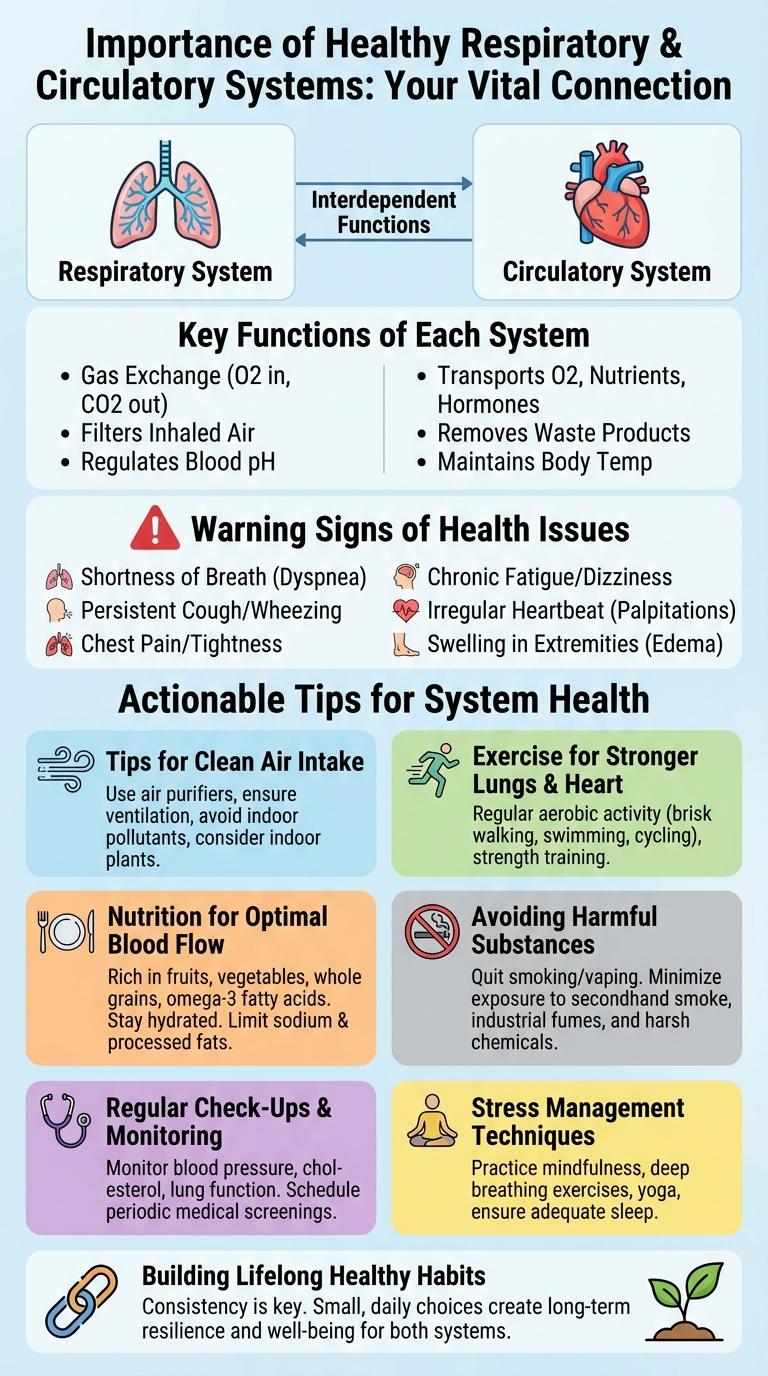
Proper care of the respiratory and circulatory systems is essential for maintaining overall health and vitality. Efficient breathing and blood flow ensure that oxygen and nutrients reach every cell, supporting bodily functions and energy levels. Following simple daily habits can strengthen these vital systems and prevent potential health issues.
Importance of Healthy Respiratory & Circulatory Systems
The respiratory and circulatory systems work together to deliver oxygen and nutrients essential for body function. Maintaining their health supports energy levels, immune response, and overall vitality. Proper care reduces the risk of chronic diseases like asthma, heart disease, and stroke.
Key Functions of Each System
The respiratory system facilitates the exchange of oxygen and carbon dioxide, essential for cellular respiration. It includes organs such as the lungs, trachea, and diaphragm, working together to supply oxygen to the bloodstream.
The circulatory system transports oxygen, nutrients, and waste products throughout the body. It consists of the heart, blood vessels, and blood, maintaining vital functions like blood pressure regulation and immune response.
Warning Signs of Health Issues
Recognizing warning signs of respiratory and circulatory system issues is vital for early diagnosis and treatment. Awareness of symptoms can prevent serious health complications.
- Persistent Shortness of Breath - Difficulty breathing during normal activities may indicate respiratory or heart problems.
- Chest Pain or Discomfort - Sharp or crushing chest pain can signal cardiovascular emergencies like a heart attack.
- Unusual Fatigue - Excessive tiredness without exertion may result from poor oxygen circulation or heart conditions.
- Swelling in Limbs - Edema in legs or ankles suggests possible circulatory system blockage or heart failure.
- Chronic Cough with Wheezing - Persistent cough accompanied by wheezing can point to respiratory diseases such as asthma or bronchitis.
Seek medical advice immediately if any warning signs of respiratory or circulatory distress appear to ensure timely intervention.
Tips for Clean Air Intake
How can you ensure clean air intake for your respiratory and circulatory systems? Avoid exposure to pollutants by keeping windows closed during high traffic hours. Use air purifiers indoors to reduce allergens and airborne particles.
What habits support healthier breathing and circulation? Regularly exercise outdoors in areas with low pollution. Maintain indoor plants that improve air quality naturally by absorbing carbon dioxide.
Why is ventilation important for clean air intake? Proper ventilation reduces the concentration of indoor toxins and humidity levels. Open windows when outdoor air quality is good to allow fresh air circulation.
How does avoiding smoking impact your respiratory and circulatory health? Smoking introduces harmful chemicals that damage lung tissue and blood vessels. Staying smoke-free promotes better oxygen exchange and heart function.
What role do HVAC filters play in clean air intake? High-efficiency particulate air (HEPA) filters capture dust, pollen, and microbes effectively. Regularly replacing these filters ensures optimal indoor air quality for respiratory health.
Exercise for Stronger Lungs & Heart
Regular exercise enhances lung capacity and strengthens the heart muscle, improving overall respiratory and circulatory health. Activities like walking, swimming, and cycling increase oxygen intake and boost cardiovascular endurance.
Consistent physical activity reduces the risk of chronic diseases such as asthma, heart disease, and hypertension. Maintaining a fitness routine supports efficient blood circulation and promotes lung function for a healthier body.
Nutrition for Optimal Blood Flow
Proper nutrition plays a vital role in maintaining optimal blood flow, which supports both respiratory and circulatory system health. Foods rich in omega-3 fatty acids, antioxidants, and vitamins C and E help reduce inflammation and improve vascular function. Incorporating leafy greens, berries, nuts, and fatty fish into your diet promotes healthy circulation and efficient oxygen transport throughout the body.
Avoiding Harmful Substances
Protecting your respiratory and circulatory systems is crucial for overall health. Avoiding harmful substances can significantly reduce the risk of chronic diseases affecting these systems.
- Quit Smoking - Smoking introduces toxins that damage lung tissue and strain the heart.
- Limit Exposure to Air Pollutants - Air pollution can cause inflammation and reduce lung function over time.
- Avoid Excessive Alcohol Consumption - High alcohol intake impairs heart health and weakens the circulatory system.
Regular Check-Ups & Monitoring
Regular check-ups and monitoring are essential for maintaining healthy respiratory and circulatory systems. Early detection of issues enhances treatment effectiveness and prevents complications.
- Routine Lung Function Tests - Measure how well your lungs work to detect respiratory issues early.
- Blood Pressure Monitoring - Tracks heart health and helps prevent cardiovascular diseases.
- Cholesterol Level Checks - Identify risks for arteries and heart problems to enable timely intervention.
Stress Management Techniques
| Stress Management Technique | Benefit for Respiratory and Circulatory System |
|---|---|
| Deep Breathing Exercises | Improves lung capacity and oxygen flow, reduces heart rate |
| Regular Physical Activity | Enhances blood circulation and strengthens lung function |
| Meditation and Mindfulness | Reduces blood pressure and lowers stress hormone levels |
| Adequate Sleep | Supports heart health and promotes efficient respiratory recovery |
| Healthy Diet | Provides essential nutrients for heart and lung health |