
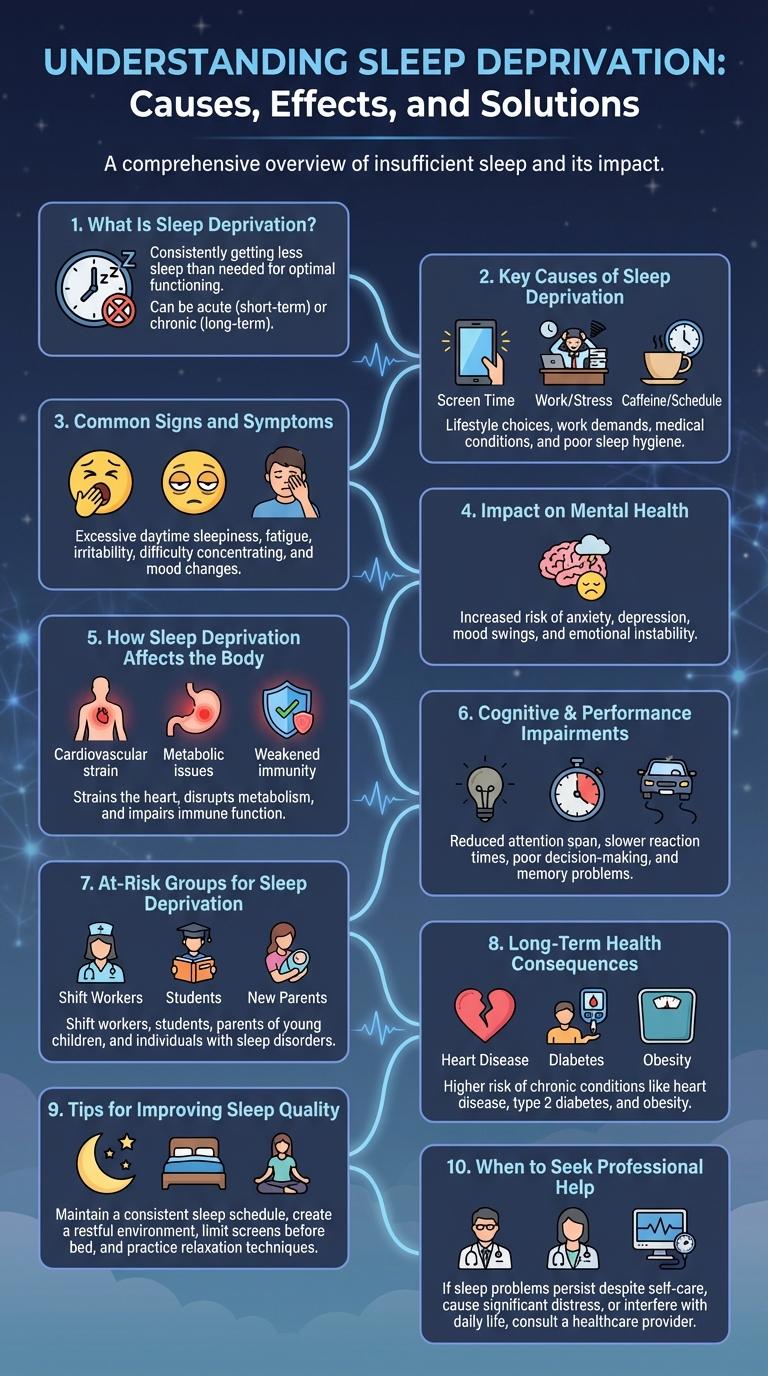
Sleep deprivation significantly impairs cognitive function, memory retention, and overall health. Chronic lack of sleep increases the risk of heart disease, diabetes, and weakened immune response. Understanding these impacts highlights the importance of prioritizing restful sleep for maintaining optimal well-being.
What Is Sleep Deprivation?
Sleep deprivation occurs when an individual does not get enough sleep to meet their body's needs. It can result from various factors including lifestyle choices, work schedules, or medical conditions.
The effects of sleep deprivation impact both mental and physical health, reducing concentration, memory, and overall performance. Chronic sleep deprivation increases the risk of serious health problems such as heart disease, diabetes, and weakened immune function. Understanding its causes and consequences is essential for promoting better sleep hygiene and overall well-being.
Key Causes of Sleep Deprivation
Sleep deprivation is commonly caused by stress and anxiety, which disrupt the ability to fall and stay asleep. Poor sleep hygiene, including irregular sleep schedules and excessive screen time before bed, significantly impacts sleep quality. Medical conditions such as sleep apnea and insomnia also play crucial roles in reducing total sleep duration.
Common Signs and Symptoms
Sleep deprivation affects millions worldwide, impacting physical and mental health. Recognizing common signs and symptoms helps in early intervention and better sleep management.
- Fatigue - Persistent tiredness reduces energy and motivation throughout the day.
- Memory problems - Difficulty concentrating and recalling information frequently occurs.
- Mood changes - Increased irritability and heightened stress levels are common reactions.
- Weakened immune function - Reduced sleep impairs the body's ability to fight infections.
- Impaired coordination - Slower reaction times increase the risk of accidents and errors.
Identifying these symptoms early encourages seeking healthier sleep habits to improve overall well-being.
Impact on Mental Health
Sleep deprivation significantly affects mental health by increasing the risk of anxiety and depression. Lack of adequate sleep impairs cognitive functions, leading to difficulties in concentration and decision-making. Chronic sleep loss alters brain chemistry, which can exacerbate mood disorders and emotional instability.
How Sleep Deprivation Affects the Body
| Effect on Body | Description |
|---|---|
| Immune System | Reduced ability to fight infections and slower recovery time. |
| Cardiovascular Health | Increased risk of high blood pressure, heart disease, and stroke. |
| Brain Function | Impaired memory, concentration, decision-making, and increased risk of mental health disorders. |
| Metabolism | Disrupted glucose regulation leading to higher risk of diabetes and obesity. |
| Hormonal Balance | Altered hormone levels affecting stress response, appetite, and growth. |
Cognitive & Performance Impairments
Sleep deprivation significantly impairs cognitive functions, including memory, attention, and decision-making. Reduced sleep disrupts the brain's ability to process and retain information effectively.
Performance suffers during tasks requiring concentration, problem-solving, and motor skills. Individuals experience slower reaction times and increased error rates, affecting productivity and safety.
At-Risk Groups for Sleep Deprivation
Sleep deprivation affects various populations, but some groups are more vulnerable due to lifestyle, health, or occupational factors. Understanding these at-risk groups helps tailor interventions and promote better sleep health.
Shift workers, including healthcare professionals and factory employees, experience disrupted circadian rhythms leading to chronic sleep loss. College students often sacrifice sleep for academic and social activities, increasing their risk.
Long-Term Health Consequences
Chronic sleep deprivation significantly disrupts normal bodily functions and increases the risk of developing serious health conditions. Understanding these long-term effects helps emphasize the importance of consistent, quality sleep for overall wellness.
- Increased Risk of Cardiovascular Disease - Prolonged lack of sleep elevates blood pressure and inflammation, contributing to heart disease and stroke.
- Impaired Immune Function - Continuous sleep loss weakens the immune system, making the body more susceptible to infections and slower recovery.
- Metabolic Disorders - Sleep deprivation disrupts hormone regulation, increasing the risk of obesity, insulin resistance, and type 2 diabetes.
- Cognitive Decline and Memory Issues - Long-term insufficient sleep accelerates brain aging and impairs memory consolidation and cognitive performance.
- Mental Health Disorders - Chronic sleep disruptions are linked to higher chances of depression, anxiety, and mood disorders.
Tips for Improving Sleep Quality
Sleep deprivation affects cognitive function and overall health. Improving sleep quality is essential for physical and mental well-being.
- Maintain a consistent sleep schedule - Going to bed and waking up at the same time every day supports the body's internal clock.
- Create a restful environment - A quiet, dark, and cool room promotes deep, uninterrupted sleep.
- Limit screen time before bed - Reducing exposure to blue light helps regulate melatonin production for better sleep.