
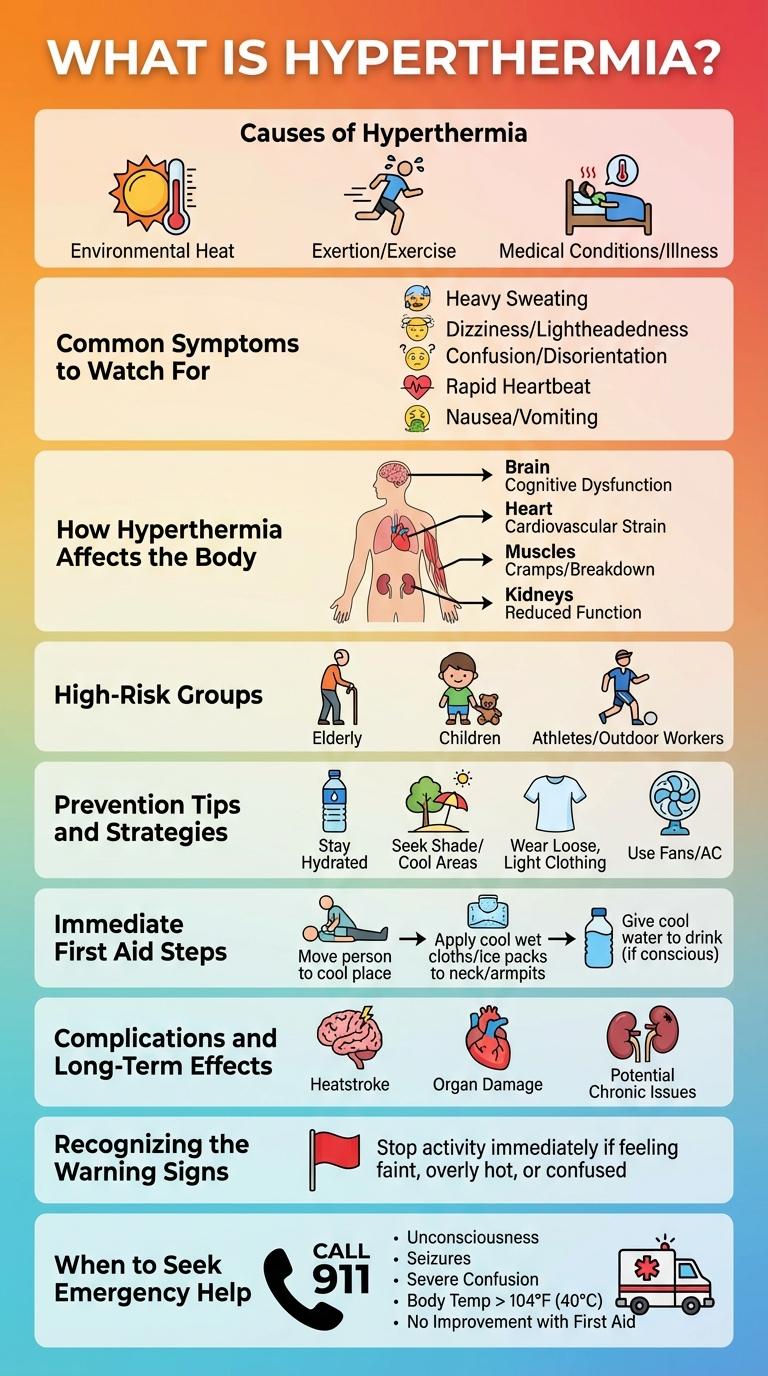
Hyperthermia occurs when the body's temperature rises uncontrollably due to prolonged exposure to high heat, overwhelming its ability to regulate itself. This condition can lead to severe health risks such as heat stroke, dehydration, and organ damage. Understanding the symptoms, causes, and prevention methods of hyperthermia is crucial for staying safe in hot environments.
What Is Hyperthermia?
Hyperthermia occurs when the body's temperature rises above the normal range due to excessive heat exposure. This condition impairs the body's ability to regulate temperature, leading to potential heat-related illnesses. Severe hyperthermia can cause heat exhaustion, heatstroke, and may require immediate medical attention.
Causes of Hyperthermia
Hyperthermia occurs when the body absorbs more heat than it can dissipate, leading to dangerously high body temperatures. Understanding the primary causes helps in preventing and managing this heat-related condition.
- Environmental Heat Exposure - Prolonged exposure to high temperatures and direct sunlight overwhelms the body's cooling mechanisms.
- Dehydration - Insufficient fluid intake reduces sweat production, impairing heat regulation and increasing body temperature.
- Physical Exertion - Intense exercise or labor in hot conditions generates excessive internal heat surpassing cooling capacity.
Common Symptoms to Watch For
Hyperthermia occurs when the body overheats due to external heat exposure or excessive physical activity. Recognizing common symptoms early can prevent serious health risks.
- Heat Exhaustion - Symptoms include heavy sweating, weakness, and cold, pale skin.
- Heat Stroke - Characterized by high body temperature above 104degF, confusion, and loss of consciousness.
- Muscle Cramps - Painful, involuntary muscle spasms caused by dehydration and electrolyte imbalance.
How Hyperthermia Affects the Body
Hyperthermia occurs when the body absorbs more heat than it can dissipate, causing the core temperature to rise abnormally. This condition strains the body's cooling mechanisms, leading to severe health risks if untreated.
Elevated body temperature disrupts cellular functions, damages proteins, and impairs organ systems such as the brain, heart, and kidneys. Symptoms include excessive sweating, rapid heartbeat, dizziness, and in extreme cases, heat stroke or organ failure.
High-Risk Groups
Hyperthermia occurs when the body absorbs more heat than it can dissipate, leading to dangerous increases in core temperature. Certain groups face higher risk due to physiological or environmental factors affecting heat regulation.
- Elderly Individuals - Age-related changes reduce the ability to sweat and regulate body temperature effectively.
- Infants and Young Children - Immature thermoregulatory systems make them vulnerable to heat stress.
- Outdoor Workers - Prolonged exposure to high temperatures and physical exertion increase hyperthermia risk.
- Athletes - Intense exercise in hot conditions elevates core body temperature rapidly.
- People with Chronic Illnesses - Conditions such as cardiovascular or neurological disorders impair heat tolerance.
Recognizing high-risk groups is essential for prevention and timely intervention in hyperthermia cases.
Prevention Tips and Strategies
Hyperthermia occurs when the body absorbs more heat than it can dissipate, leading to dangerous increases in core temperature. Recognizing the risks and implementing prevention strategies is essential during hot weather or intense physical activity.
Stay hydrated by drinking plenty of water throughout the day. Wear lightweight, loose-fitting clothing and use a wide-brimmed hat to protect against direct sunlight. Avoid strenuous activities during peak heat hours, typically between 10 a.m. and 4 p.m.
Immediate First Aid Steps
| Step | Immediate First Aid for Hyperthermia |
|---|---|
| 1. Move to a Cooler Place | Get the person out of direct sunlight and into a shady or air-conditioned area to reduce body temperature. |
| 2. Hydrate | Give cool water or an electrolyte drink to rehydrate. Avoid caffeinated or alcoholic beverages. |
| 3. Cool the Body | Apply cool, wet cloths or ice packs to the armpits, neck, and groin to help lower the body temperature quickly. |
| 4. Rest and Monitor | Encourage rest and keep a close watch for worsening symptoms like confusion, unconsciousness, or seizures. |
| 5. Seek Emergency Help | Call emergency services immediately if symptoms escalate or if the person loses consciousness. |
Complications and Long-Term Effects
What are the primary complications associated with hyperthermia? Hyperthermia can cause severe dehydration and heatstroke, leading to organ damage. Immediate treatment is critical to prevent life-threatening conditions.
How does hyperthermia impact the body's organs in the long term? Prolonged exposure to excessive heat may result in permanent damage to the brain, kidneys, and heart. This can decrease organ function and reduce overall health.
Can hyperthermia lead to neurological issues? Yes, hyperthermia increases the risk of cognitive impairment, memory loss, and other neurological deficits. Damage to brain cells can be irreversible in severe cases.
What are the effects of hyperthermia on cardiovascular health over time? Persistent hyperthermia strains the heart, potentially causing arrhythmias and long-term cardiovascular disease. Monitoring heart function is important after heat-related incidents.
Is there a risk of chronic fatigue following hyperthermia? Many patients experience prolonged fatigue and muscle weakness. Recovery can take weeks to months, affecting daily activities and quality of life.
Recognizing the Warning Signs
Hyperthermia occurs when the body absorbs or produces more heat than it can dissipate, leading to dangerously high body temperatures. Recognizing the warning signs early is crucial to prevent severe health complications.
Common symptoms include excessive sweating, rapid heartbeat, dizziness, and muscle cramps. If untreated, hyperthermia can progress to heat exhaustion or heat stroke, both requiring immediate medical attention.