
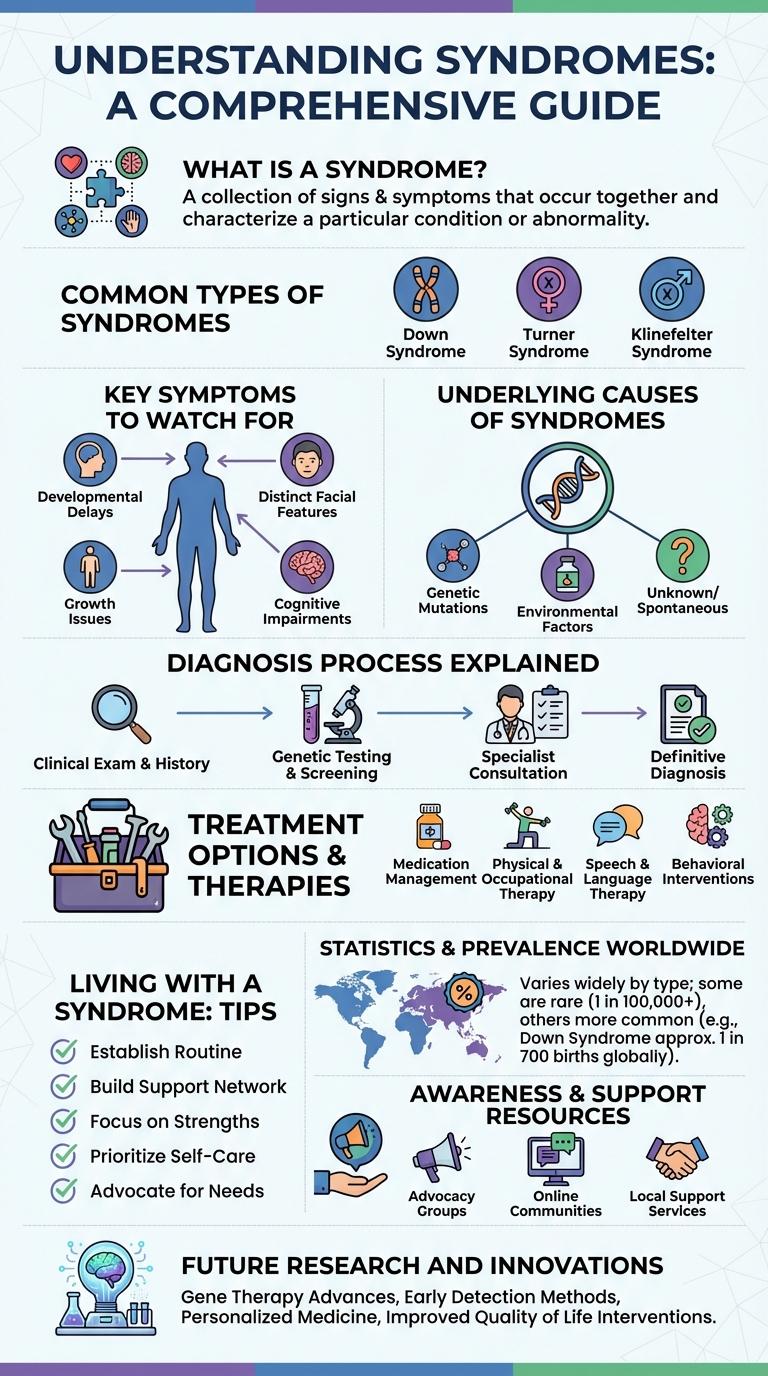
Syndromes are complex medical conditions characterized by a specific set of symptoms and signs that occur together. Understanding these patterns helps in diagnosis and treatment planning. This infographic visually breaks down the key features and common examples of various syndromes for easier comprehension.
What is a Syndrome?
A syndrome is a collection of medical signs and symptoms that occur together and characterize a particular abnormality or condition. It often indicates an underlying disease or disorder, even if the exact cause is unknown.
Syndromes encompass a wide range of health issues, from genetic disorders to infectious diseases. They help healthcare professionals diagnose complex conditions by recognizing patterns of symptoms. Understanding syndromes is essential for effective treatment and managing patient care.
Common Types of Syndromes
Syndromes represent a set of medical signs and symptoms that occur together and characterize a particular abnormality or condition. Understanding common types of syndromes aids in accurate diagnosis and effective treatment planning.
Down syndrome, caused by an extra chromosome 21, is characterized by intellectual disability and distinct facial features. Turner syndrome affects females and involves the partial or complete absence of one X chromosome, leading to various developmental issues.
Key Symptoms to Watch For
Recognizing key symptoms of a syndrome early can lead to prompt diagnosis and treatment. Awareness of these signs helps in managing health effectively.
- Persistent Fatigue - Constant tiredness that does not improve with rest may indicate an underlying syndrome.
- Unexplained Weight Changes - Sudden weight gain or loss without changes in diet or exercise can signal a medical issue.
- Chronic Pain - Ongoing pain in muscles or joints often accompanies various syndromes requiring medical attention.
Underlying Causes of Syndromes
Syndromes arise from a variety of underlying causes, including genetic mutations, chromosomal abnormalities, and environmental factors. Many syndromes are linked to inherited gene defects that disrupt normal biological functions. Exposure to certain toxins or infections during pregnancy can also contribute to the development of specific syndromes.
Diagnosis Process Explained
| Step | Diagnosis Process Details |
|---|---|
| Initial Consultation | Detailed patient history review focusing on symptoms, family medical history, and lifestyle factors related to the syndrome. |
| Physical Examination | Comprehensive physical check for clinical signs associated with the syndrome, including any characteristic physical features or abnormalities. |
| Diagnostic Testing | Targeted laboratory tests such as blood panels, genetic screenings, and imaging studies to detect markers or anomalies linked to the syndrome. |
| Specialist Evaluation | Referral to relevant specialists such as geneticists, neurologists, or endocrinologists for advanced assessment and confirmation. |
| Final Diagnosis | Integration of clinical findings, test results, and specialist opinions to establish an accurate diagnosis and devise an appropriate treatment plan. |
Treatment Options & Therapies
Syndrome treatment varies depending on the specific condition and symptoms presented. Effective therapies focus on symptom management, improving quality of life, and addressing underlying causes.
- Medications - Target symptoms such as pain, inflammation, or hormonal imbalances to provide relief.
- Physical Therapy - Enhances mobility and strength, reducing physical discomfort and improving daily function.
- Psychological Counseling - Supports mental health by addressing anxiety, depression, or emotional challenges related to the syndrome.
- Surgical Interventions - Corrects structural abnormalities or severe complications when necessary.
- Lifestyle Modifications - Involves diet, exercise, and stress management to complement medical treatments and boost overall well-being.
Choosing the appropriate combination of treatments depends on individual diagnosis and healthcare provider recommendations.
Living with a Syndrome: Tips
Living with a syndrome requires understanding your specific condition and its impact on daily life. Establishing a strong support network with healthcare professionals, family, and support groups enhances emotional and physical well-being. Maintaining a balanced lifestyle with proper nutrition, regular exercise, and routine medical check-ups improves overall quality of life.
Statistics & Prevalence Worldwide
Syndromes affect millions globally, with varying prevalence depending on the condition. Understanding worldwide statistics helps in resource allocation and awareness campaigns.
- Global Prevalence - Approximately 5-8% of the world's population is affected by genetic syndromes.
- Common Syndromes - Down syndrome occurs in about 1 in every 1,000 live births worldwide.
- Regional Variations - Prevalence rates for syndromes such as Marfan or Turner syndrome differ significantly between countries due to genetic and environmental factors.
Awareness & Support Resources
What is a syndrome and why is awareness important? A syndrome is a group of symptoms that consistently occur together, indicating a specific medical condition. Awareness helps in early diagnosis and access to appropriate support resources.
Where can individuals find reliable support for syndromes? Many organizations and online platforms offer educational materials, counseling, and community support to those affected. These resources provide crucial information and emotional assistance for patients and families.
How can awareness campaigns impact syndrome recognition? Campaigns increase public knowledge, reduce stigma, and promote research funding. This leads to better treatment options and improved quality of life for patients.
What types of support resources are available for syndrome patients? Support includes medical care, therapeutic services, peer support groups, and advocacy organizations. Access to these resources is vital for managing symptoms and enhancing well-being.
| Resource Type | Description |
|---|---|
| Medical Centers | Specialized clinics offering diagnosis and treatment |
| Support Groups | Peer communities providing emotional support and shared experiences |
| Online Forums | Virtual platforms for education and discussion |
| Nonprofit Organizations | Advocacy and funding for syndrome research and awareness |
| Educational Materials | Guides, pamphlets, and videos explaining conditions and care |