
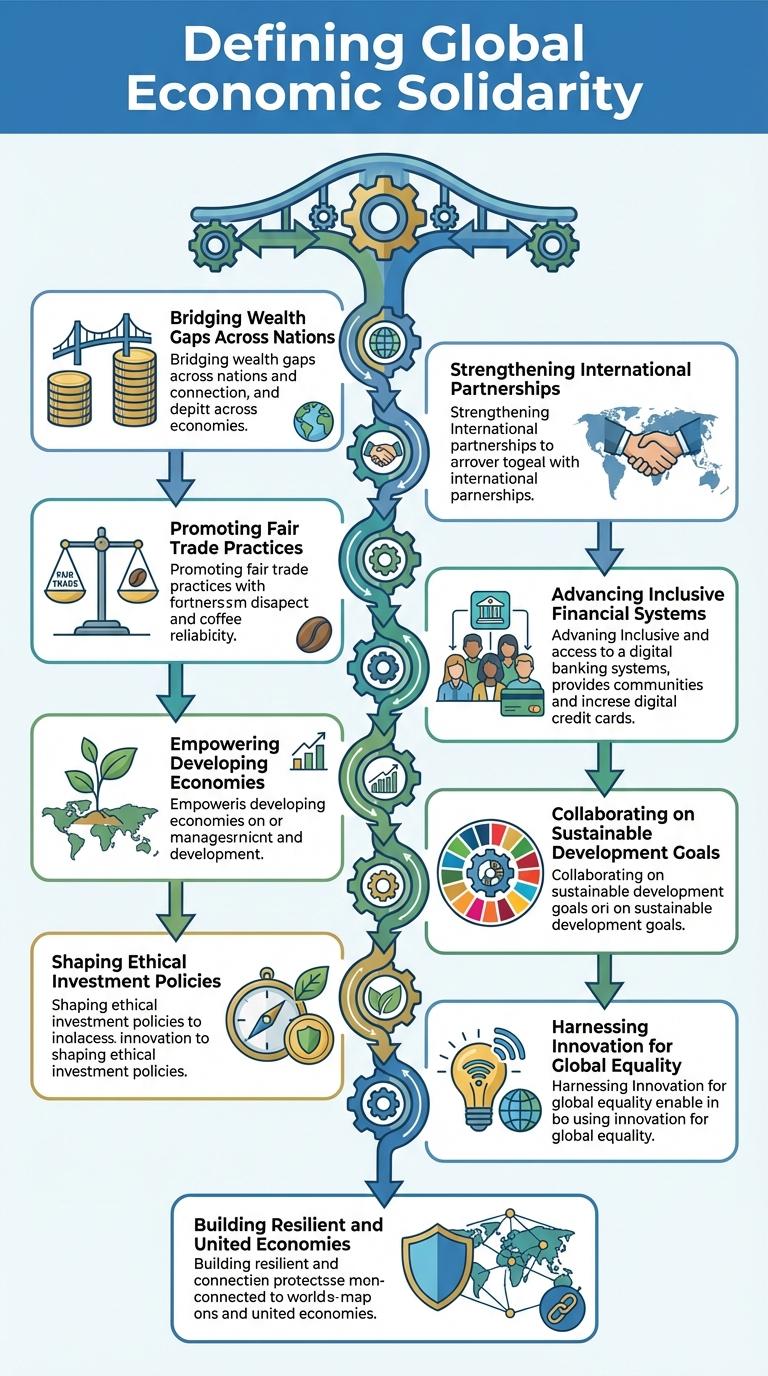
Achieving global economic solidarity requires coordinated efforts to reduce disparity and promote equitable growth across nations. Policies focusing on fair trade, sustainable development, and inclusive financial systems play a crucial role in bridging economic gaps. Empowering marginalized communities and fostering international cooperation drives shared prosperity worldwide.
Defining Global Economic Solidarity
Global economic solidarity is the shared commitment among nations to promote equitable economic growth and reduce disparities. It involves cooperation on trade, finance, and development policies to create inclusive prosperity worldwide. This solidarity strengthens global stability by ensuring all countries benefit from economic progress.
Bridging Wealth Gaps Across Nations
Achieving global economic solidarity requires targeted efforts to bridge wealth gaps across nations. Economic disparities hinder sustainable development and global stability.
Investing in education, healthcare, and infrastructure in low-income countries promotes equitable growth. International cooperation and fair trade policies are critical to reducing inequalities.
Strengthening International Partnerships
| Key Aspect | Description |
|---|---|
| Multilateral Agreements | Facilitating trade and investment through binding international commitments enhances cooperation and reduces barriers. |
| Technology Transfer | Sharing technological innovations supports sustainable development and bridges gaps between developed and developing economies. |
| Financial Cooperation | Joint financial initiatives and development funds provide essential resources for economic stability in vulnerable regions. |
| Capacity Building | Training and skill development programs empower nations to strengthen economic resilience and competitive capabilities. |
| Cultural Exchanges | Promoting mutual understanding through cultural programs fosters trust and long-term international cooperation. |
Promoting Fair Trade Practices
How can promoting fair trade practices contribute to global economic solidarity? Fair trade ensures producers in developing countries receive fair wages and work under ethical conditions. This support fosters sustainable development and reduces economic disparities worldwide.
Advancing Inclusive Financial Systems
Advancing inclusive financial systems is essential for achieving global economic solidarity by ensuring equal access to financial services for all individuals. Inclusive finance supports economic growth by empowering marginalized communities and reducing poverty worldwide.
Innovative digital banking technologies and microfinance initiatives bridge gaps in underserved regions. These tools enable small businesses and low-income families to participate fully in the global economy, fostering sustainable development and resilience.
Empowering Developing Economies
Empowering developing economies is essential for achieving global economic solidarity. Strengthening these economies fosters sustainable growth and reduces inequality worldwide.
Investing in education, infrastructure, and technology unlocks the potential of developing nations. Enhancing trade opportunities and fair access to global markets supports economic integration. Collaborative international policies promote inclusive development and shared prosperity.
Collaborating on Sustainable Development Goals
Achieving global economic solidarity requires focused collaboration on the United Nations Sustainable Development Goals (SDGs). Collective efforts drive inclusive growth and sustainable development worldwide.
- Shared Investment - Pooling financial resources accelerates progress toward clean energy, poverty reduction, and quality education.
- Cross-sector Partnerships - Public, private, and civil society collaborations foster innovation and scalable solutions for sustainable development.
- Data Transparency - Open access to development indicators enhances accountability and informed decision-making across nations.
Collaborative commitment to SDGs lays the foundation for equitable economic growth and environmental sustainability globally.
Shaping Ethical Investment Policies
Shaping ethical investment policies is crucial for achieving global economic solidarity by promoting responsible funding practices. These policies align financial growth with social and environmental accountability, fostering equitable development worldwide.
- Promote Transparency - Clear disclosure of investment sources and impacts builds trust and supports ethical decision-making.
- Incorporate ESG Criteria - Environmental, Social, and Governance standards ensure investments contribute to sustainable and fair progress.
- Support Fair Labor Practices - Investing in companies that uphold workers' rights strengthens global economic justice.
Harnessing Innovation for Global Equality
Harnessing innovation is key to achieving global economic solidarity by bridging the gap between developed and developing economies. Advancements in technology foster inclusive growth, enabling access to education, healthcare, and financial services worldwide. Prioritizing scalable and sustainable innovations accelerates economic equality and empowers marginalized communities.