
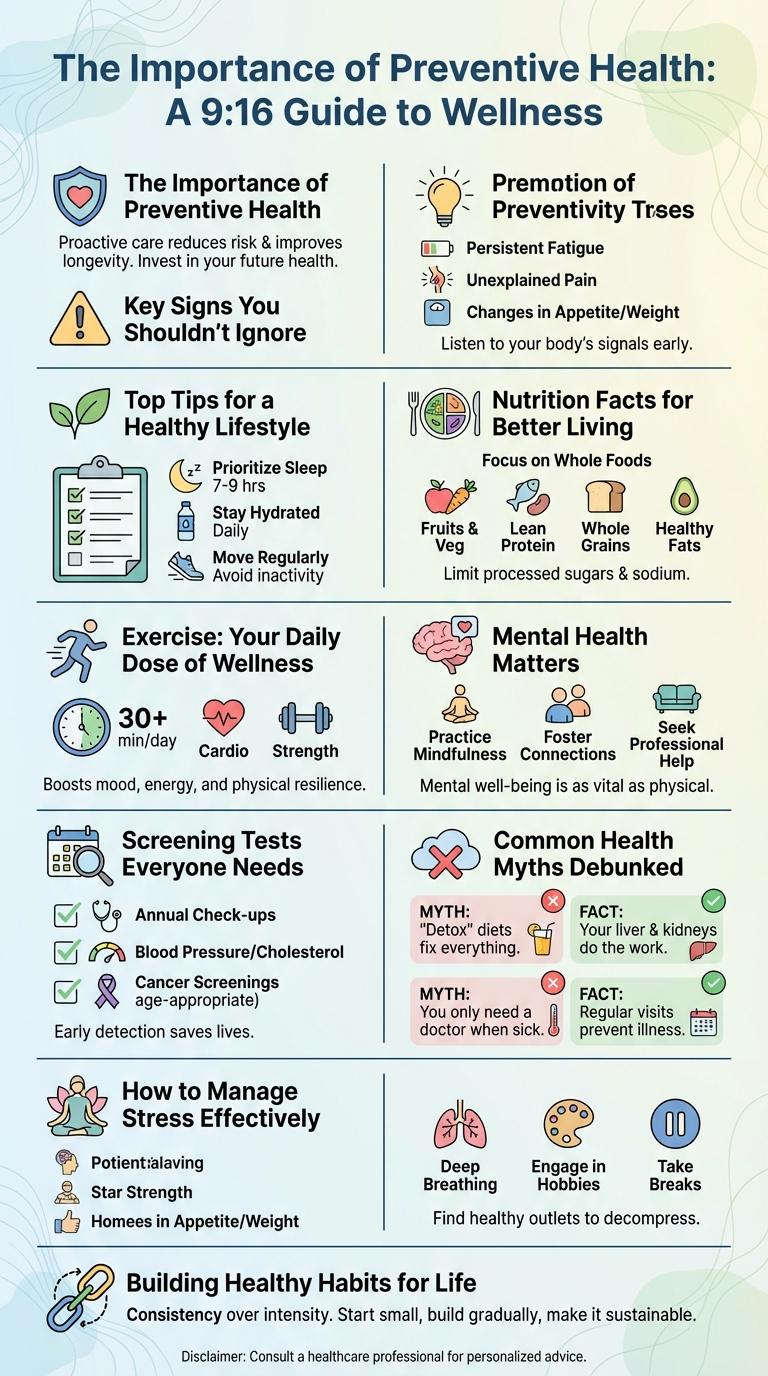
Health awareness infographics visually communicate vital information about wellness, disease prevention, and healthy habits. These graphics simplify complex medical data, making it accessible and engaging for diverse audiences. Well-designed infographics enhance understanding and encourage proactive health choices.
The Importance of Preventive Health
Preventive health plays a crucial role in maintaining overall well-being by identifying risks before they develop into serious conditions. Early detection through regular screenings and healthy lifestyle choices reduces the burden of chronic diseases.
Health awareness campaigns emphasize vaccination, balanced nutrition, and physical activity as essential preventive measures. Tools such as annual check-ups and health risk assessments enable timely interventions. Promoting mental health and stress management further enhances long-term health outcomes.
Key Signs You Shouldn't Ignore
| Key Sign | Why It Matters |
|---|---|
| Unexplained Weight Loss | Could indicate underlying conditions like diabetes or cancer |
| Persistent Fatigue | May signal thyroid issues, anemia, or chronic infections |
| Chest Pain | Warning sign of heart problems or respiratory conditions |
| Sudden Vision Changes | Potential stroke or retinal damage requiring immediate attention |
| Severe Headaches | Could be a symptom of migraines, hypertension, or neurological issues |
Top Tips for a Healthy Lifestyle
Maintaining a healthy lifestyle is essential for overall well-being and longevity. Small daily habits can lead to significant improvements in physical and mental health.
Balanced nutrition, regular exercise, and adequate sleep are key pillars of good health. Staying hydrated and managing stress also contribute significantly to a vibrant lifestyle.
Nutrition Facts for Better Living
Nutrition Facts play a crucial role in promoting better living by providing essential information about the nutrients in food products. Understanding calories, fats, sugars, vitamins, and minerals helps individuals make informed dietary choices that support overall health and prevent chronic diseases. Emphasizing a balanced intake of macronutrients and micronutrients contributes to improved energy, immune function, and long-term wellness.
Exercise: Your Daily Dose of Wellness
Regular exercise plays a crucial role in maintaining overall health and preventing chronic diseases. Incorporating physical activity into your daily routine enhances mental well-being and boosts energy levels.
- Improves Cardiovascular Health - Engaging in aerobic exercises strengthens the heart and reduces the risk of heart disease.
- Supports Weight Management - Consistent physical activity helps burn calories and maintain a healthy weight.
- Enhances Mental Health - Exercise releases endorphins that reduce stress and improve mood.
Mental Health Matters
Why is mental health awareness crucial for everyone?
Mental health impacts how we think, feel, and behave daily. Raising awareness helps reduce stigma and encourages seeking support.
Screening Tests Everyone Needs
Regular health screening tests are essential for early detection of diseases and maintaining overall well-being. These tests help identify potential health issues before symptoms appear, improving the chances of effective treatment.
Common screening tests include blood pressure measurement, cholesterol checks, blood glucose tests, cancer screenings, and bone density assessments. Timely screenings empower individuals to take proactive steps towards a healthier life.
Common Health Myths Debunked
Health awareness is crucial for making informed decisions that impact well-being. Common health myths often lead to misconceptions and poor habits.
- Myth: Vaccines cause illness - Vaccines undergo rigorous testing and cannot cause the diseases they prevent.
- Myth: You need to detox regularly - The liver and kidneys naturally eliminate toxins without special diets or products.
- Myth: Carbs make you gain weight - Carbohydrates are an essential energy source when consumed in balanced amounts.
Dispelling these myths promotes healthier lifestyle choices and better public health outcomes.
How to Manage Stress Effectively
Managing stress effectively involves recognizing triggers, practicing mindfulness, and maintaining a healthy lifestyle. Techniques such as deep breathing, regular physical activity, and adequate sleep contribute to reducing stress levels. Seeking social support and professional help can also play a crucial role in long-term stress management.