
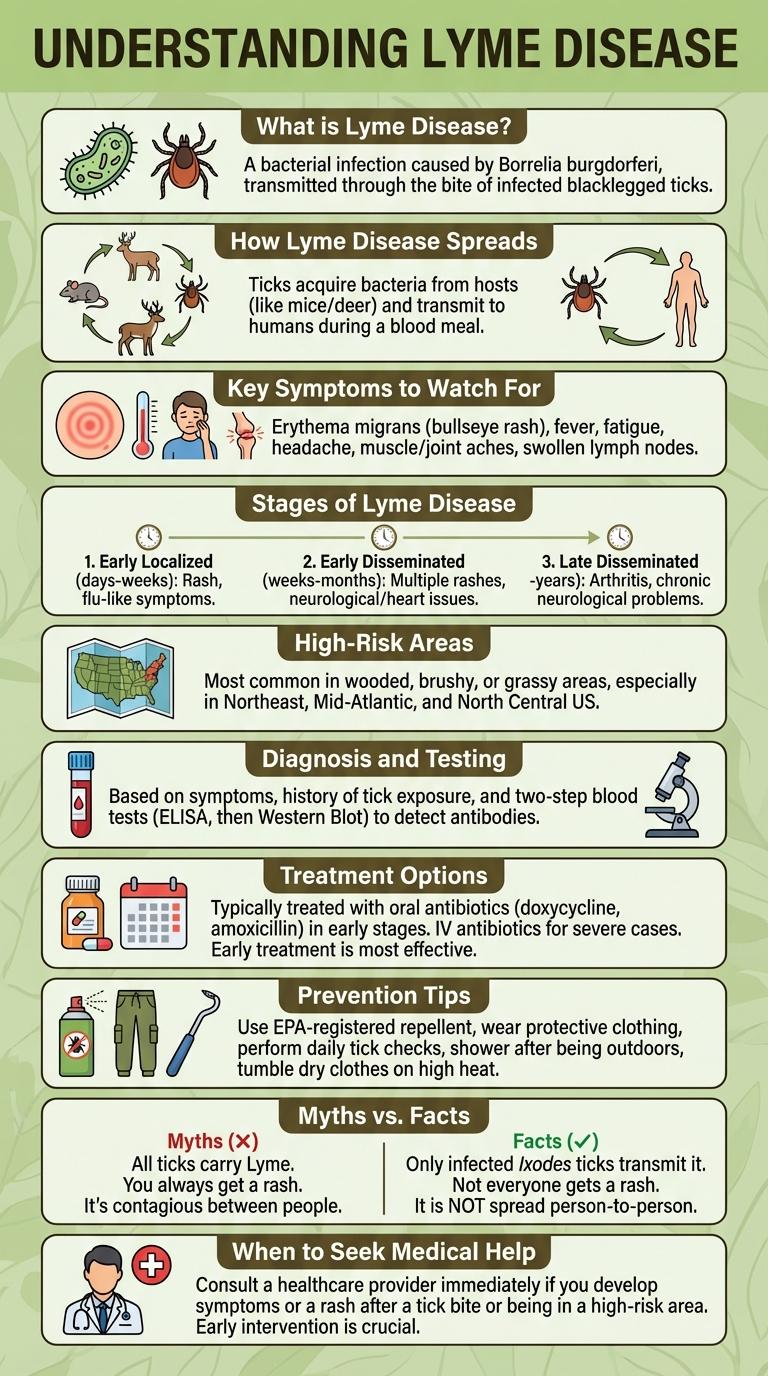
Lyme disease is a bacterial infection transmitted through the bite of infected black-legged ticks, primarily affecting the skin, joints, heart, and nervous system. Early symptoms include fever, headache, fatigue, and a distinctive bull's-eye rash, but if left untreated, the disease can cause severe complications. Understanding the transmission, symptoms, prevention methods, and treatment options is crucial for reducing Lyme disease risks and promoting timely medical intervention.
What is Lyme Disease?
Lyme disease is an infectious illness caused by the bacterium *Borrelia burgdorferi*. It is primarily transmitted to humans through the bite of infected black-legged ticks, also known as deer ticks. Early symptoms often include fever, headache, fatigue, and a characteristic skin rash called erythema migrans.
How Lyme Disease Spreads
How does Lyme disease spread to humans?
Lyme disease primarily spreads through the bite of infected black-legged ticks, also known as deer ticks. These ticks pick up the bacteria Borrelia burgdorferi when feeding on infected animals such as mice or deer.
| Stage | Transmission Details |
|---|---|
| Tick Larva | Usually not infectious; hatch uninfected |
| Tick Nymph | Most common stage transmitting Lyme disease to humans |
| Tick Adult | Can transmit disease but less often than nymphs |
| Animal Hosts | Mice and deer maintain bacteria and tick populations |
| Human Infection | Occurs when infected tick feeds for 36-48 hours or more |
Key Symptoms to Watch For
Lyme disease is a tick-borne illness caused by the bacterium Borrelia burgdorferi. Early detection of symptoms is crucial for effective treatment and prevention of complications.
Key symptoms to watch for include a distinctive bull's-eye rash called erythema migrans, fever, and chills. Other signs include fatigue, headache, and muscle or joint pain. Timely recognition of these symptoms allows for prompt medical intervention and reduces the risk of long-term health issues.
Stages of Lyme Disease
Lyme disease progresses through three main stages: early localized, early disseminated, and late disseminated. Each stage presents distinct symptoms that require timely diagnosis for effective treatment.
In the early localized stage, a characteristic erythema migrans rash often appears, accompanied by flu-like symptoms. The early disseminated stage may involve multiple rashes, neurological issues, and cardiac symptoms.
High-Risk Areas
Lyme disease is most commonly found in specific regions where tick populations are dense. Understanding high-risk areas helps in preventing tick bites and early detection of the disease.
- Northeastern United States - This region, including states like Connecticut and Massachusetts, has the highest number of Lyme disease cases due to dense forested areas and abundant tick hosts.
- Upper Midwest - States such as Wisconsin and Minnesota report significant Lyme disease incidences linked to deer populations and extensive woodlands.
- West Coast - Coastal areas of northern California have reported cases, with the presence of infected ticks in brushy and wooded environments near human activity.
Diagnosis and Testing
Lyme disease diagnosis primarily relies on clinical evaluation and patient history, especially exposure to tick-infested areas. Laboratory testing includes enzyme-linked immunosorbent assay (ELISA) followed by Western blot to detect antibodies against Borrelia burgdorferi. Early-stage Lyme disease may require multiple testing methods due to variable antibody response during initial infection.
Treatment Options
| Treatment Option | Description |
|---|---|
| Antibiotics | Doxycycline, amoxicillin, or cefuroxime are commonly prescribed to treat early-stage Lyme disease, effectively eliminating the bacteria. |
| Intravenous Therapy | Used for severe or late-stage Lyme disease with neurological or cardiac involvement, typically involving IV antibiotics like ceftriaxone. |
| Symptom Management | Pain relievers and anti-inflammatory medications help reduce joint pain, swelling, and fatigue symptoms. |
| Physical Therapy | Supports recovery of mobility and muscle strength, especially after severe Lyme-related arthritis or neurological effects. |
| Follow-Up Care | Regular medical monitoring ensures treatment success and addresses any lingering symptoms or complications. |
Prevention Tips
Lyme disease is caused by the bacterium Borrelia burgdorferi, transmitted through the bite of infected blacklegged ticks. Preventing tick bites is essential to reduce the risk of infection and avoid serious health complications.
Wear long sleeves and pants when hiking in wooded or grassy areas to minimize skin exposure. Use insect repellents containing DEET or permethrin on clothing for effective tick deterrence.
Myths vs. Facts
Lyme disease is a bacterial infection transmitted by blacklegged ticks. Misconceptions about the illness often hinder prevention and treatment efforts.
- Myth: Lyme disease is only found in one region. The disease occurs in many parts of North America, Europe, and Asia where ticks carry Borrelia bacteria.
- Myth: You will immediately notice a bull's-eye rash. Not all infected individuals develop the classic rash, and symptoms can vary widely.
- Fact: Early treatment with antibiotics is effective. Prompt antibiotic therapy can often cure Lyme disease and prevent complications.
- Myth: Lyme disease can be transmitted person-to-person. The infection spreads only through tick bites, not by casual contact.
- Fact: Preventing tick bites reduces Lyme disease risk. Using insect repellent, wearing protective clothing, and checking for ticks are key preventive measures.