
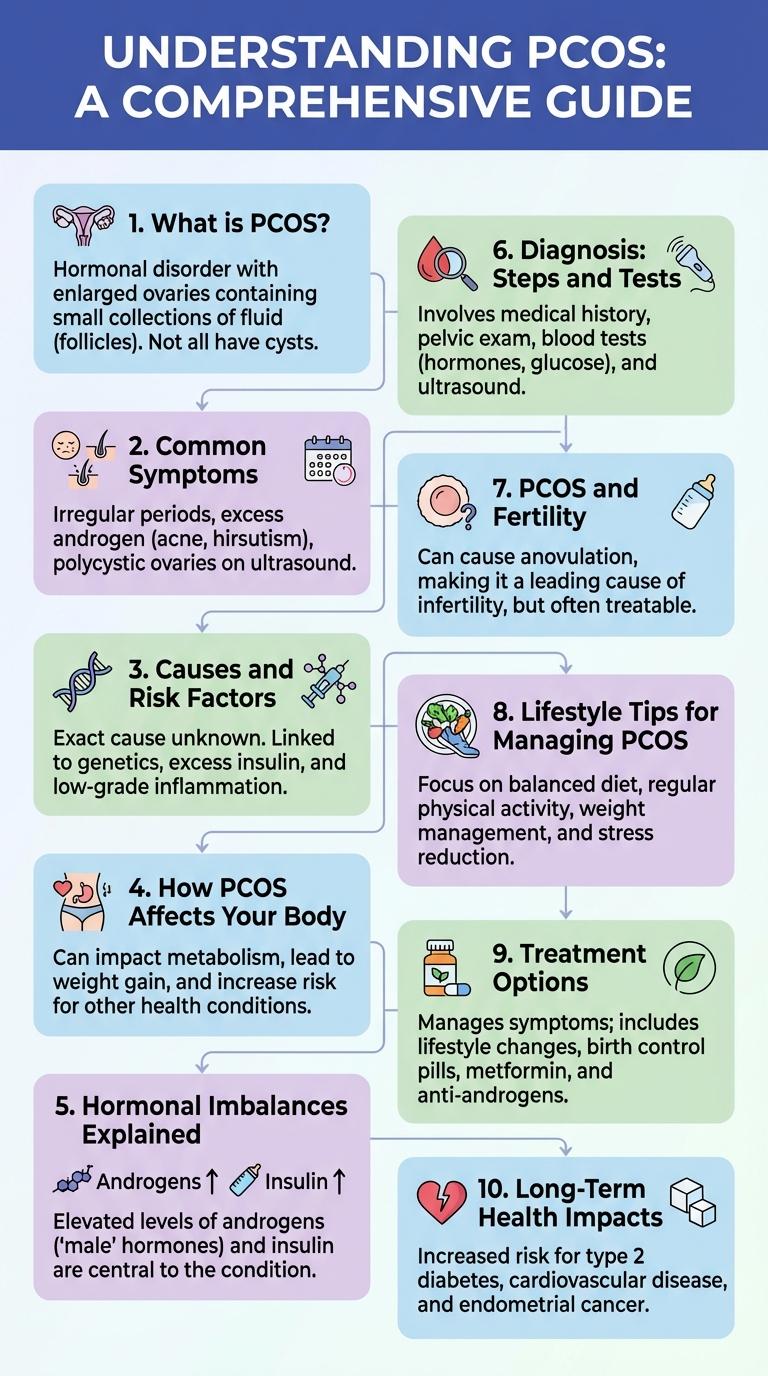
Polycystic Ovary Syndrome (PCOS) affects millions of women worldwide, causing hormonal imbalances that impact menstrual cycles, fertility, and metabolism. Visualizing the symptoms, causes, and treatment options through an infographic can simplify complex information and enhance understanding. Key data points about PCOS prevalence, risk factors, and lifestyle management strategies are effectively conveyed in this engaging format.
What is PCOS?
Polycystic Ovary Syndrome (PCOS) is a hormonal disorder common among women of reproductive age. It causes enlarged ovaries with small cysts on the outer edges. PCOS can lead to irregular menstrual cycles, infertility, and metabolic issues.
Common Symptoms of PCOS
Polycystic Ovary Syndrome (PCOS) is a hormonal disorder affecting women of reproductive age, characterized by irregular menstrual cycles and elevated androgen levels. It often leads to the development of small cysts on the ovaries, which can disrupt normal ovulation.
Common symptoms of PCOS include excessive hair growth (hirsutism), acne, and thinning hair on the scalp. Many women experience weight gain, insulin resistance, and difficulty conceiving due to hormonal imbalances associated with the condition.
Causes and Risk Factors
Polycystic Ovary Syndrome (PCOS) is a hormonal disorder common among women of reproductive age. The condition arises due to a combination of genetic and environmental factors that disrupt normal hormone balance.
- Hormonal Imbalance - Excess androgens interfere with ovulation and contribute to typical PCOS symptoms.
- Insulin Resistance - High insulin levels increase androgen production, worsening PCOS manifestations.
- Genetic Predisposition - Family history significantly increases the risk of developing PCOS.
- Obesity - Excess body weight exacerbates insulin resistance and hormone abnormalities linked to PCOS.
- Inflammation - Chronic low-grade inflammation promotes hormonal disruptions seen in PCOS patients.
How PCOS Affects Your Body
Polycystic Ovary Syndrome (PCOS) disrupts hormone levels, causing an imbalance that affects various bodily functions. This hormonal imbalance can lead to irregular menstrual cycles, acne, and excessive hair growth.
PCOS often impacts insulin regulation, increasing the risk of type 2 diabetes and weight gain. It also affects ovarian function, which may result in difficulty conceiving or infertility.
Hormonal Imbalances Explained
Polycystic Ovary Syndrome (PCOS) is a common hormonal disorder affecting women of reproductive age. It disrupts the balance of key hormones, leading to various symptoms and health challenges.
PCOS involves elevated levels of androgens, often called "male hormones," which cause symptoms like excess hair growth and acne. Insulin resistance is frequent in PCOS, contributing to hormonal imbalance and weight gain. This condition also impacts levels of luteinizing hormone (LH) and follicle-stimulating hormone (FSH), disrupting ovulation and menstrual cycles.
Diagnosis: Steps and Tests
Polycystic Ovary Syndrome (PCOS) diagnosis involves a combination of clinical evaluation, laboratory tests, and imaging studies to confirm the condition. Accurate diagnosis is essential for effective management and treatment planning.
- Medical History Review - Assessment of menstrual irregularities, symptoms like hirsutism, and family history supports initial suspicion of PCOS.
- Hormonal Blood Tests - Measuring levels of androgens, LH, FSH, and insulin helps identify hormonal imbalances characteristic of PCOS.
- Ultrasound Imaging - Transvaginal or pelvic ultrasound detects ovarian morphology with multiple cysts indicative of PCOS.
A comprehensive evaluation combining these steps ensures a precise PCOS diagnosis and guides subsequent treatment strategies.
PCOS and Fertility
How does PCOS affect fertility in women? Polycystic Ovary Syndrome (PCOS) is a leading cause of infertility due to hormonal imbalances that disrupt ovulation. Women with PCOS often experience irregular menstrual cycles, reducing the chances of natural conception.
What are common fertility treatments for women with PCOS? Treatments include lifestyle changes, ovulation-inducing medications like clomiphene citrate, and assisted reproductive technologies such as in vitro fertilization (IVF). Managing insulin resistance with metformin can also improve ovulation and pregnancy outcomes.
Lifestyle Tips for Managing PCOS
| Lifestyle Tip | Benefit for PCOS Management |
|---|---|
| Balanced Diet | Helps regulate insulin levels and promotes weight management. |
| Regular Exercise | Improves insulin sensitivity and supports hormonal balance. |
| Stress Reduction | Reduces cortisol levels, which can worsen PCOS symptoms. |
| Adequate Sleep | Supports hormone regulation and improves metabolic function. |
| Hydration | Enhances overall body function and aids in toxin elimination. |
Treatment Options
Polycystic Ovary Syndrome (PCOS) treatment options focus on managing symptoms and improving quality of life. Common approaches include lifestyle changes such as diet and exercise, medications like hormonal birth control and insulin sensitizers, and fertility treatments for those seeking pregnancy. Individualized care plans are essential for effective management and symptom relief.