
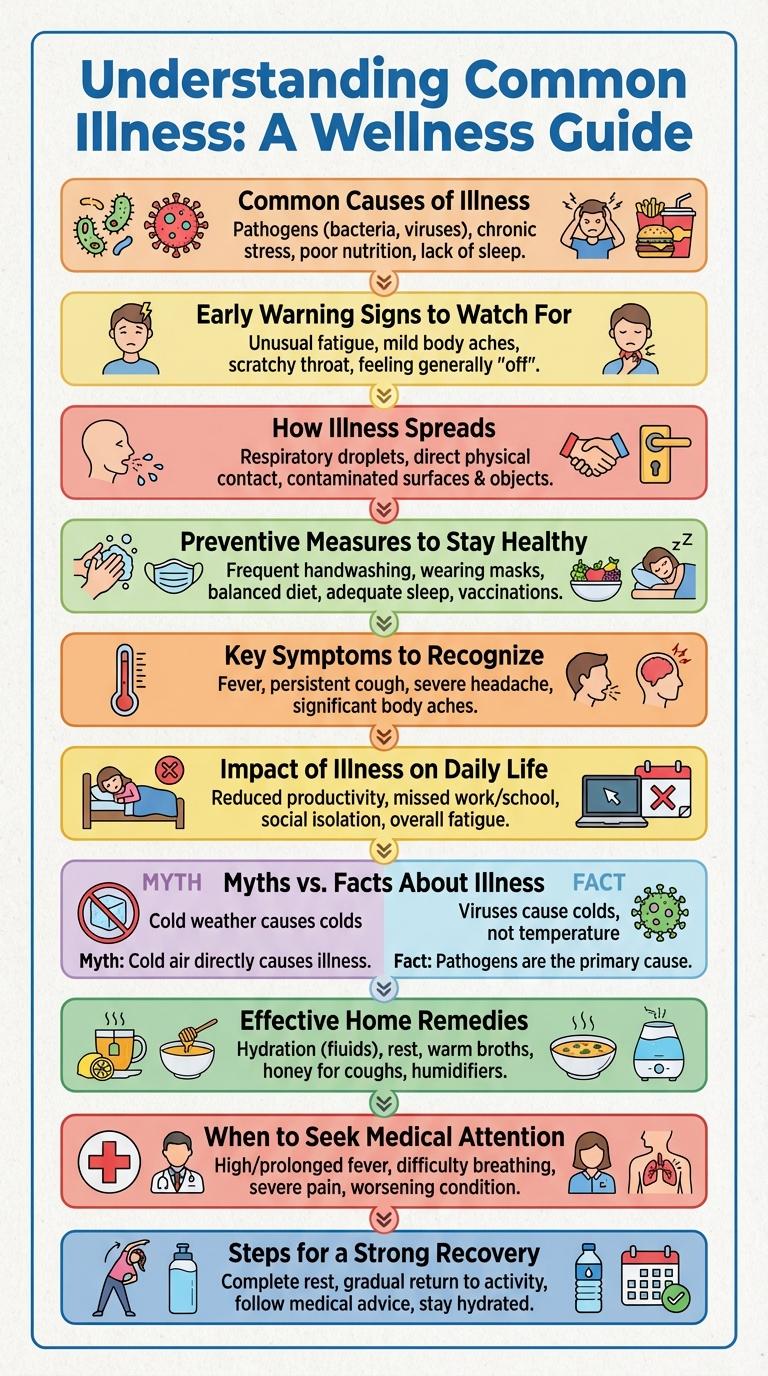
Understanding illness through visual data simplifies complex health information and highlights key statistics effectively. Infographics break down symptoms, causes, and prevention techniques, making it easier for readers to grasp essential medical concepts. This visual approach enhances awareness and supports informed decision-making about personal and public health.
Common Causes of Illness
Illness often arises from various common causes including infections, environmental factors, and lifestyle choices. Bacteria, viruses, and fungi are primary infectious agents responsible for many diseases affecting humans. Poor nutrition, lack of exercise, and exposure to pollutants also significantly contribute to the development of chronic and acute illnesses.
Early Warning Signs to Watch For
| Early Warning Sign | Description |
|---|---|
| Persistent Fatigue | Unusual tiredness lasting more than two weeks, not resolved by rest |
| Unexplained Weight Loss | Significant weight drop without dietary or lifestyle changes |
| Chronic Pain | Continuous or recurrent pain in muscles, joints, or bones |
| Prolonged Fever | Fever lasting more than three days without clear cause |
| Changes in Skin | New or unusual moles, rashes, or discoloration |
How Illness Spreads
Illness spreads through direct contact with infected individuals or contaminated surfaces. Airborne droplets from coughing or sneezing carry viruses and bacteria, increasing transmission risks.
Pathogens can enter the body via the mouth, nose, or eyes after touching contaminated objects. Crowded places and poor hygiene practices amplify the spread of infectious diseases. Effective handwashing and vaccination play critical roles in preventing illness transmission.
Preventive Measures to Stay Healthy
Preventive measures are essential to maintaining good health and avoiding illness. Simple habits like regular handwashing and balanced nutrition strengthen the immune system.
Vaccinations and routine health screenings help detect potential issues early. Staying physically active and managing stress contribute significantly to overall well-being.
Key Symptoms to Recognize
Recognizing key symptoms of illness early is crucial for timely diagnosis and effective treatment. Awareness of common signs helps prevent complications and promotes health management.
- Fever - Elevated body temperature often signals an infection or inflammatory process.
- Fatigue - Persistent tiredness indicates the body's response to underlying health issues.
- Pain - Localized or widespread discomfort can signify tissue damage or disease.
Identifying these symptoms promptly supports better health outcomes and informed medical care.
Impact of Illness on Daily Life
Illness significantly affects daily life by limiting physical activity and reducing energy levels, making routine tasks challenging. Emotional well-being often declines as individuals cope with stress, anxiety, and social isolation linked to their condition. Effective management and support can improve quality of life, helping patients maintain independence and engage in meaningful activities.
Myths vs. Facts About Illness
Is it true that cold weather causes colds? Cold weather itself does not cause colds; viruses are responsible for the illness. Exposure to cold may weaken the immune system slightly, but viruses are the actual cause.
Can you catch the flu from the flu vaccine? The flu vaccine contains inactive virus particles that cannot cause the flu. Some people may experience mild side effects, but these are not the flu.
Do antibiotics cure viral infections like the common cold? Antibiotics are effective only against bacterial infections, not viruses. Using antibiotics incorrectly can lead to resistance and other health issues.
Is it necessary to rest completely when sick? Moderate activity can sometimes aid recovery by improving circulation and mood. However, severe symptoms often require rest to help the body heal efficiently.
Does sugar weaken the immune system during illness? High sugar intake can reduce immune efficiency temporarily, but moderate consumption does not impact recovery significantly. Balanced nutrition supports the immune response best.
Effective Home Remedies
Effective home remedies can provide relief from common illnesses without the need for prescription medications. These natural treatments often enhance recovery by boosting the immune system and reducing symptoms.
- Honey for Sore Throat - Honey soothes irritation and has antibacterial properties that help reduce throat inflammation.
- Ginger for Nausea - Ginger root contains compounds that ease digestive discomfort and reduce nausea.
- Steam Inhalation for Congestion - Inhaling steam helps open nasal passages and relieve sinus pressure effectively.
When to Seek Medical Attention
Recognizing when to seek medical attention is crucial for effective illness management and preventing complications. Immediate care can improve outcomes for serious symptoms or prolonged conditions.
- High Fever Persisting Over 3 Days - Seek medical advice if a fever exceeds 101degF (38.3degC) and lasts beyond 72 hours.
- Severe or Sudden Chest Pain - Immediate medical evaluation is necessary to rule out heart-related emergencies.
- Difficulty Breathing or Shortness of Breath - Urgently consult a healthcare provider if experiencing respiratory distress or inability to breathe normally.